
Good Guy Rx
Take care of what God gave you.
Get started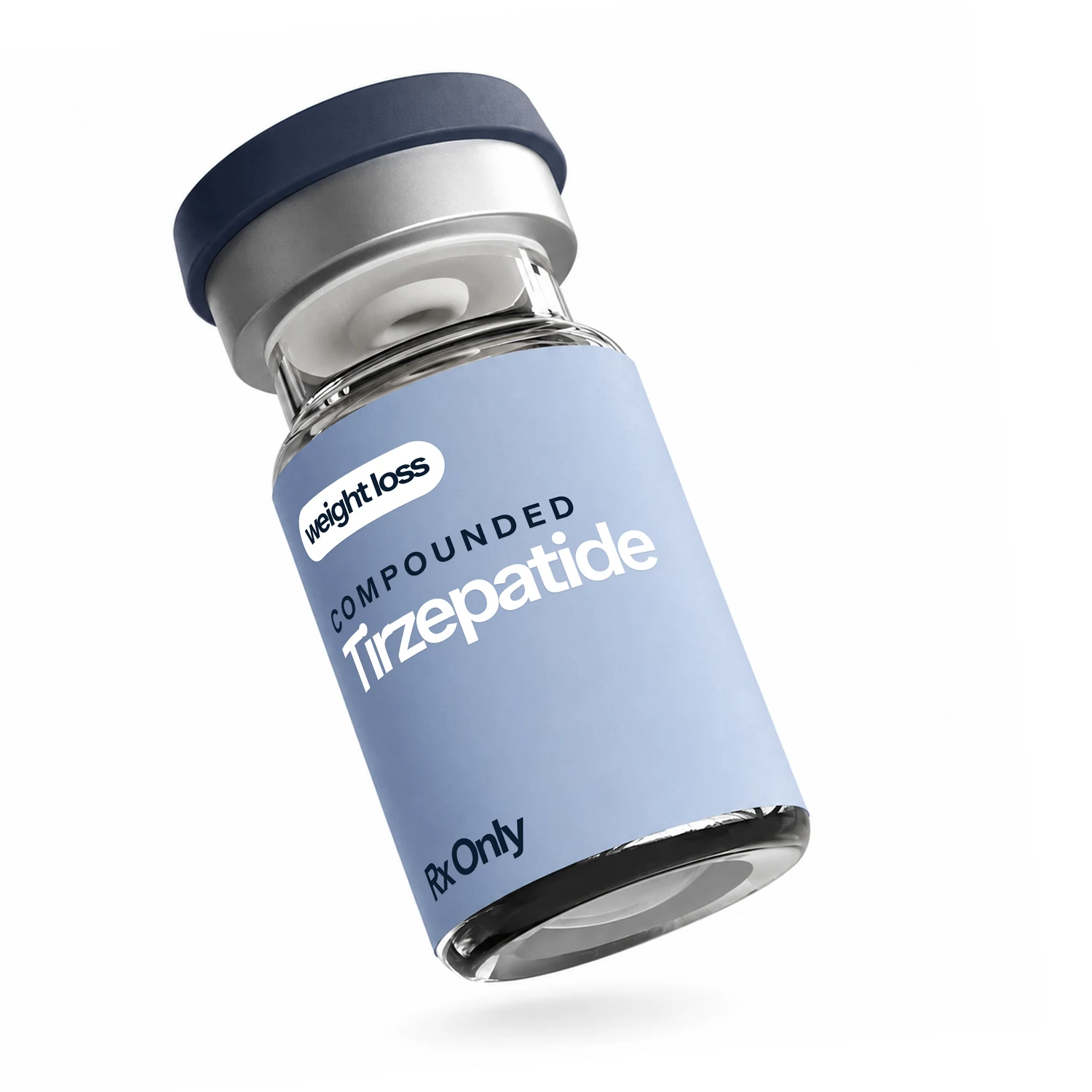
Compounded TirzepatideRx
Weekly GLP-1 + GIP injection.
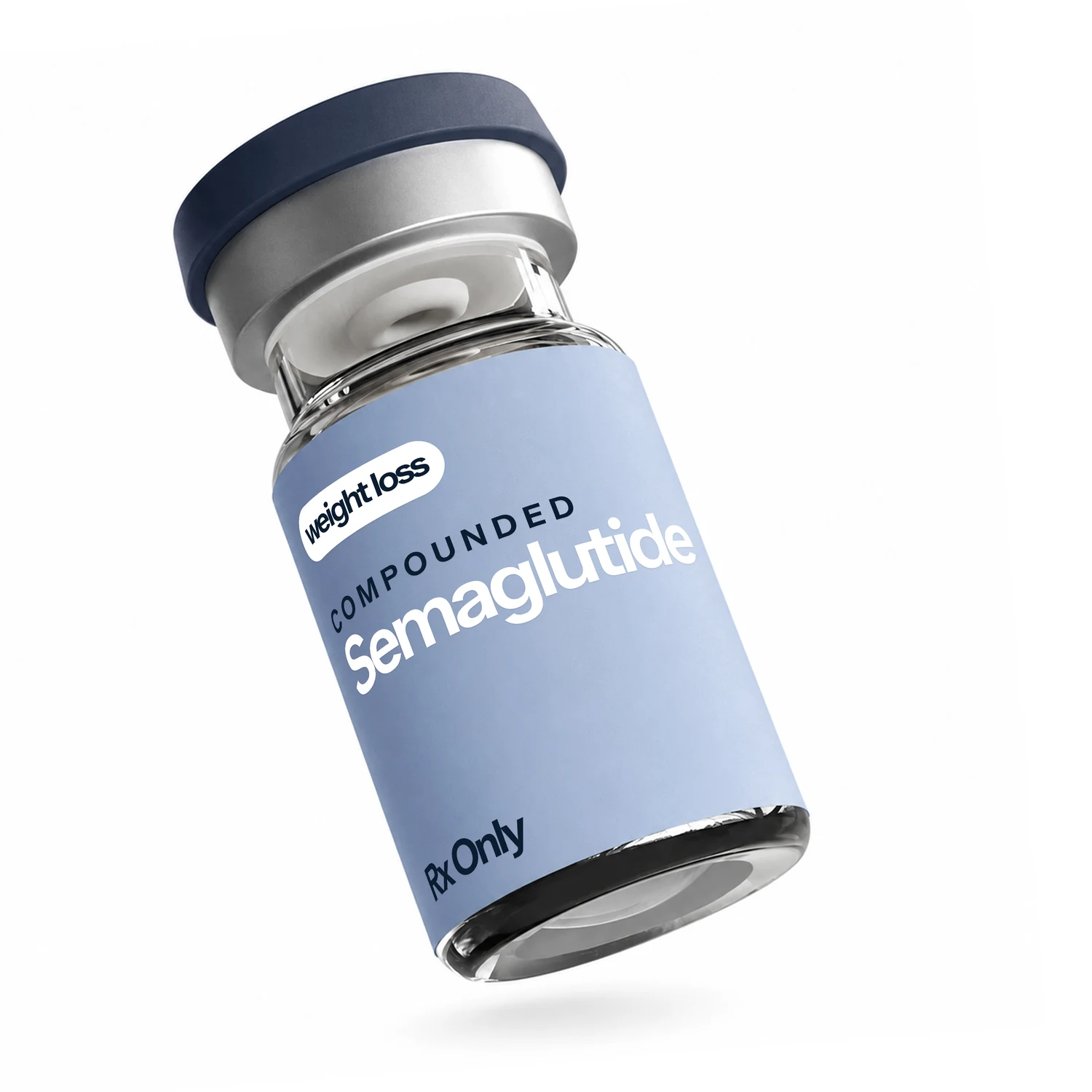
Compounded SemaglutideRx
Weekly GLP-1 injection.
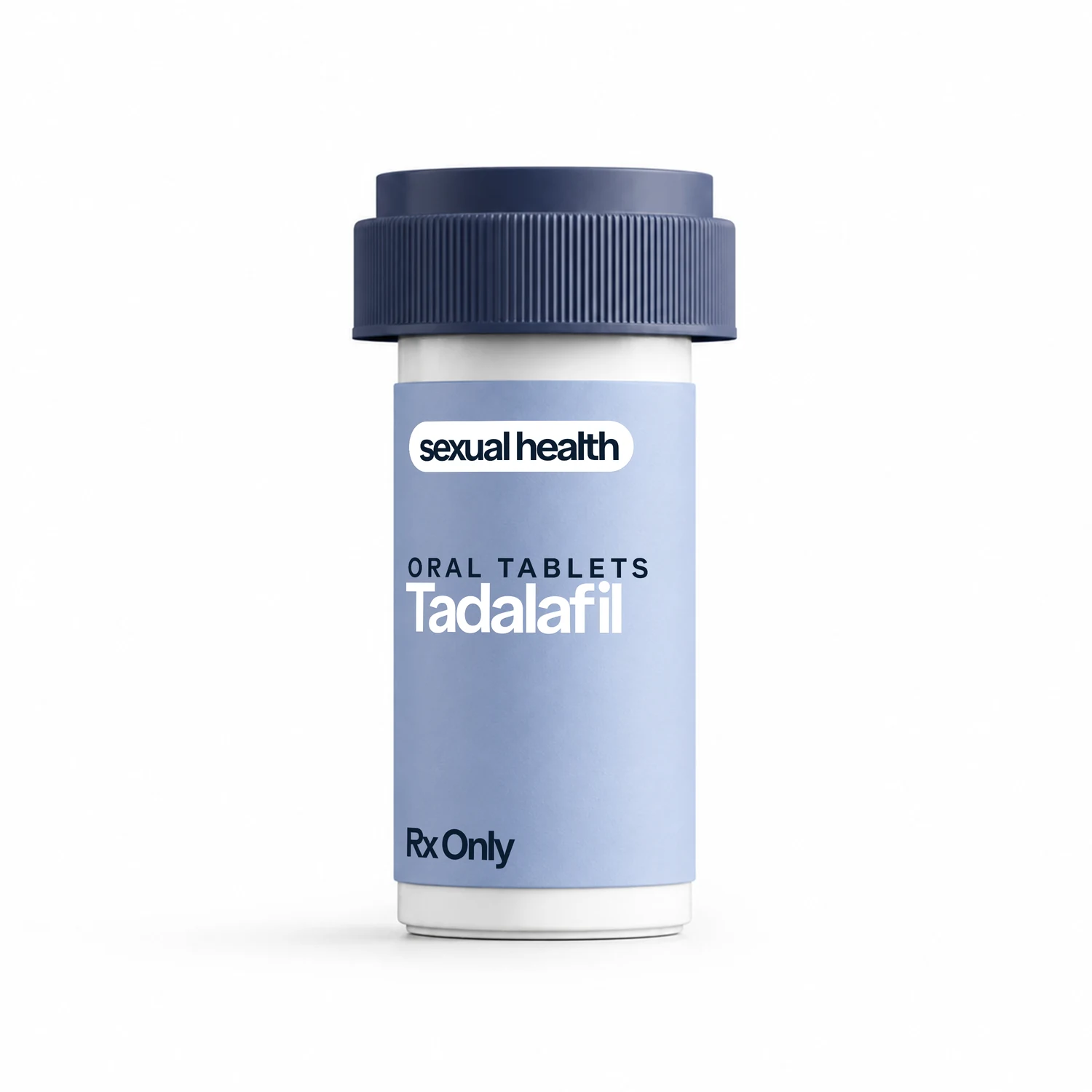
TadalafilRx
Generic Cialis®. Lasts up to 36 hours.

SildenafilRx
Generic Viagra®. Works in 30 minutes.
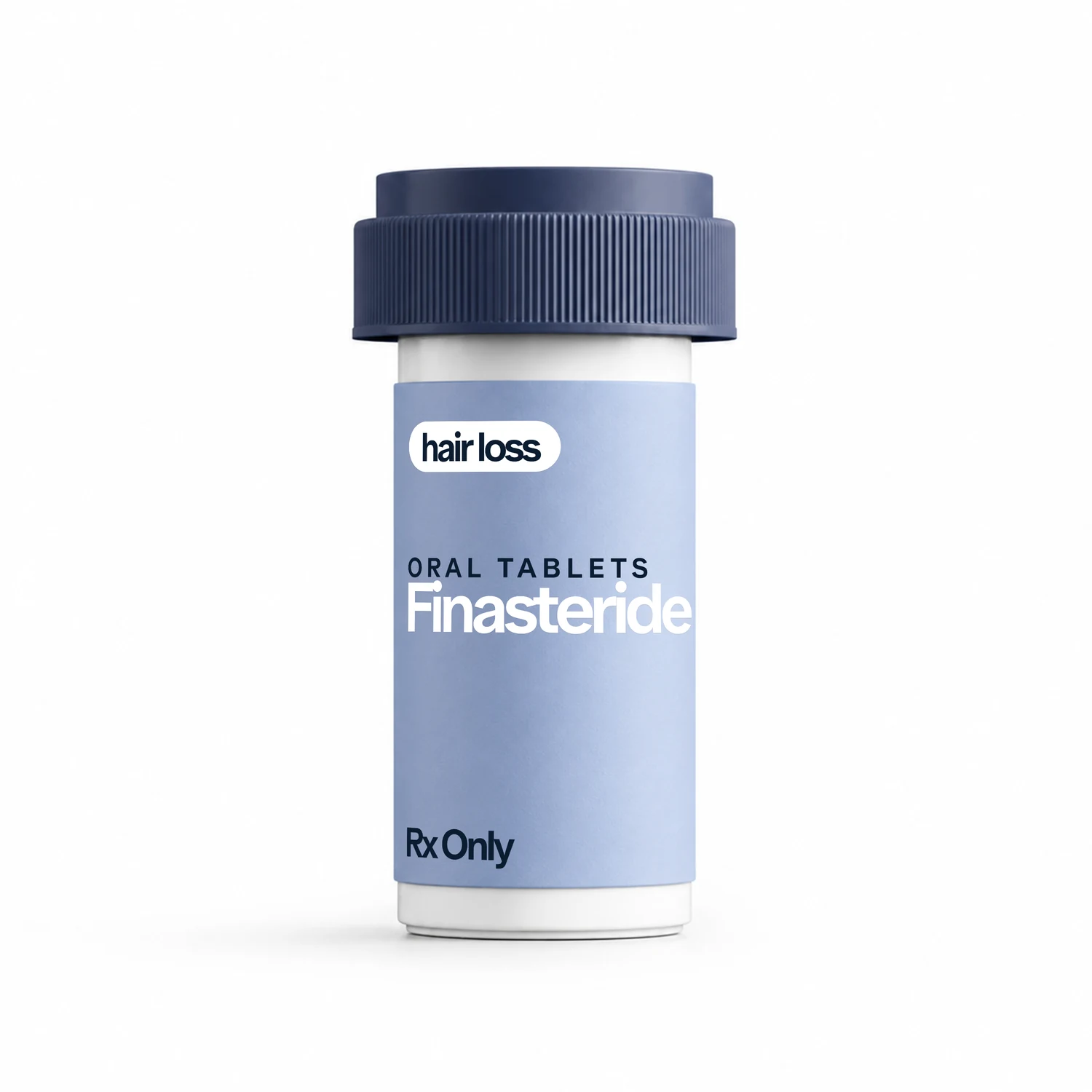
FinasterideRx
Generic Propecia®. Blocks DHT daily.

Hair Regrowth SprayRx
3-in-1 topical: finasteride + minoxidil + tretinoin.
Microdose GLP-1 Men: The Case for Going Slower

Written by David K.
Published March 27, 2026

Key Takeaways
# Microdose GLP-1 Men: The Case for Going Slower for the Long Haul
If you searched "microdose GLP-1 men" or "low dose semaglutide," you probably already know the basics of how these medications work. What you may not know is why a growing number of independent licensed physicians are recommending a slower, lower titration approach — not as a workaround, but as a deliberate strategy for men who intend to stay on these medications for years, not months.
This article explains what microdosing means in the GLP-1 context, what the clinical evidence says about titration, and how National Nutrition Month is a reasonable moment to reconsider whether your eating fundamentals are positioned to support that longer road.
What "Microdose GLP-1" Actually Means
Microdosing, in the GLP-1 context, does not mean a homeopathic trace amount. It refers to starting at a sub-standard dose — or holding at a lower dose longer than the manufacturer's suggested titration schedule — to allow the body to adapt before escalating. The term is informal; the practice is not.
Semaglutide, the active compound in Ozempic and Wegovy, is typically titrated upward on a four-week schedule in clinical trials. The landmark STEP trials, published in the New England Journal of Medicine, tested semaglutide at 2.4 mg weekly as the ceiling dose and demonstrated meaningful average weight reduction over 68 weeks. But those trials were designed to measure maximum efficacy at maximum dose, not to answer the question most relevant to a 55-year-old man with a full life: what is the dose I can live with for the next decade?
Tirzepatide, studied in the SURMOUNT trials and published in the New England Journal of Medicine, showed even larger average weight reductions at its highest doses — but also reported a dose-dependent increase in gastrointestinal side effects. Results may vary.
Why Men Over 45 Have Good Reason to Pause at Lower Doses
The standard titration schedule was built around efficacy endpoints. It was not built around the practical realities of a man who travels for work, coaches a youth sports team on Saturdays, and does not want to spend the next three weekends managing nausea.
GI tolerance is the primary reason physicians recommend extended low-dose periods. According to research published in Diabetes Care, nausea, vomiting, and constipation are the leading causes of GLP-1 discontinuation. Discontinuation erases the benefit entirely. A man who stays at 0.5 mg of semaglutide for eight weeks instead of four — and tolerates it well — is in a far stronger position than a man who rushed to 1.0 mg and stopped the medication in week six.
There is a second, less-discussed reason: body composition. Rapid weight loss in men over 45 carries a measurable risk of lean mass loss alongside fat loss. According to a 2022 analysis in the Journal of Clinical Endocrinology and Metabolism, preserving skeletal muscle during caloric restriction requires both adequate protein intake and a pace of weight loss that does not outrun the body's adaptive capacity. A slower titration, paired with deliberate nutrition, gives that process more room to work. Results may vary.
GLP-1 Maintenance: The Phase Most Men Don't Plan For
The clinical conversation about GLP-1 maintenance — the period after a patient reaches a stable, effective dose and holds there — is still developing. What the STEP trial data showed clearly is that discontinuing semaglutide after one year resulted in significant weight regain within months. The medication, at some dose, appears to be a long-term commitment for most patients.

This reframes the entire question. If you are likely to be on this medication for three to five years or longer, the right dose is not the highest dose you can tolerate. It is the lowest dose that produces clinically meaningful results for your body, with the fewest side effects, at a cost and cadence you can maintain. That calculus often points toward a lower, steadier dose — what clinicians are increasingly calling a maintenance microdose.
The American Urological Association and broader men's health literature have documented that sustained weight management in men over 45 correlates with improved cardiometabolic markers, better hormonal balance, and reduced joint load. The destination matters more than the speed of arrival.
National Nutrition Month: The Eating Fundamentals That Amplify GLP-1
March is National Nutrition Month, and the timing is relevant. GLP-1 medications reduce appetite and slow gastric emptying — but they do not select for you what goes into the smaller meals you do eat. That part is still yours to manage.
Three fundamentals matter most for men in this demographic.
Protein first. Peer-reviewed research consistently shows that men over 40 require higher dietary protein per kilogram of body weight to preserve lean mass than younger men do — a phenomenon called anabolic resistance. On a GLP-1, when total caloric intake drops, the proportion of protein in each meal must rise to compensate. Eggs, Greek yogurt, fish, and legumes — not protein powder marketed at 22-year-olds — are the practical anchors here.
The Mediterranean framework. A 2018 meta-analysis published in Nutrients and cited by the NIH found that a Mediterranean dietary pattern — olive oil, fish, vegetables, whole grains, moderate red wine — is associated with reduced cardiovascular risk in middle-aged men. On a GLP-1, when portion size is already reduced, the quality of those portions determines almost everything. The Mediterranean approach maps well onto smaller meals because its foods are nutrient-dense.
Sleep as a nutritional variable. This one is underappreciated. The CDC has documented that men who sleep fewer than six hours per night show dysregulation of ghrelin and leptin — the hunger-signaling hormones that GLP-1 medications also act upon. Poor sleep blunts the medication's effectiveness and increases caloric drive. Treating sleep as a nutritional discipline is not a secondary concern. It is foundational.
Where Good Guy Rx Fits
Good Guy Rx is a technology platform. It connects men to independent licensed physicians and independent state-licensed pharmacies. It does not manufacture medications, and it does not practice medicine.
If a physician on the platform determines that a GLP-1 medication is appropriate for you, the compounded versions available through Good Guy Rx are prepared by state-licensed compounding pharmacies in accordance with FDA regulations. They are not FDA-approved. Compounded medications allow for dose flexibility — including the lower, incremental starting points that a microdose approach requires — which is one reason they are frequently preferred by physicians who take a deliberate titration approach.
Two options are available through the platform:
- **Semaglutide** — the active compound studied in the STEP trials, available in compounded form through independent state-licensed pharmacies connected via the platform.
- **Tirzepatide** — the dual GIP/GLP-1 receptor agonist studied in the SURMOUNT trials, also available in compounded form.

Your independent licensed physician determines the starting dose and titration schedule based on your medical history. Questions about dosing belong in the patient portal, not with support staff.
What to Do Next
Step 1: Complete an online visit. An independent licensed physician reviews your health history, current medications, and goals. This is where dosing decisions originate.
Step 2: Ask specifically about titration pace. If a slower, lower starting dose makes sense for your schedule and tolerance history, that conversation belongs in the clinical intake — not as an afterthought.
Step 3: Audit your protein intake before your first dose. Before the medication reduces your appetite, establish a baseline. Most men in this demographic are under-eating protein at breakfast. A two-egg meal with Greek yogurt takes four minutes to prepare and sets the nutritional floor for the day.
Step 4: Set a sleep floor. Seven hours is not a luxury. It is a clinical variable that affects how the medication performs. Address sleep before escalating dose.
Sources
- STEP 1 Trial: Semaglutide 2.4 mg for Weight Management — *New England Journal of Medicine* — https://www.nejm.org/doi/10.1056/NEJMoa2032183
- SURMOUNT-1 Trial: Tirzepatide for Chronic Weight Management — *New England Journal of Medicine* — https://www.nejm.org/doi/10.1056/NEJMoa2206038
- GLP-1 Receptor Agonist Discontinuation Rates — *Diabetes Care* — https://diabetesjournals.org/care
- Lean Mass Preservation During Weight Loss in Older Men — *Journal of Clinical Endocrinology and Metabolism* — https://academic.oup.com/jcem
- Mediterranean Diet and Cardiovascular Risk in Men — *Nutrients* / NIH — https://www.ncbi.nlm.nih.gov/pmc/articles/PMC5793302/
- Sleep Duration and Hunger Hormones — CDC — https://www.cdc.gov/sleep/index.html
- STEP 5 Trial: Long-Term Semaglutide and Weight Regain After Discontinuation — *New England Journal of Medicine* — https://www.nejm.org/doi/10.1056/NEJMoa2210908
This article is for informational purposes only and does not constitute medical advice. Talk with a licensed provider through the patient portal before starting any treatment.
References
- STEP trial
- SURMOUNT trial
- [SURMOUNT-1 Trial: Tirzepatide for Chronic Weight Management — *New England Journal of Medicine* — https://www.nejm.org/doi/10.1056/NEJMoa2206038](https://www.nejm.org/doi/10.1056/NEJMoa2206038)
- [GLP-1 Receptor Agonist Discontinuation Rates — *Diabetes Care* — https://diabetesjournals.org/care](https://diabetesjournals.org/care)
- [Lean Mass Preservation During Weight Loss in Older Men — *Journal of Clinical Endocrinology and Metabolism* — https://academic.oup.com/jcem](https://academic.oup.com/jcem)
- [Mediterranean Diet and Cardiovascular Risk in Men — *Nutrients* / NIH — https://www.ncbi.nlm.nih.gov/pmc/articles/PMC5793302/](https://www.ncbi.nlm.nih.gov/pmc/articles/PMC5793302/)
- [Sleep Duration and Hunger Hormones — CDC — https://www.cdc.gov/sleep/index.html](https://www.cdc.gov/sleep/index.html)
- [STEP 5 Trial: Long-Term Semaglutide and Weight Regain After Discontinuation — *New England Journal of Medicine* — https://www.nejm.org/doi/10.1056/NEJMoa2210908](https://www.nejm.org/doi/10.1056/NEJMoa2210908)
Share this article

Ready to start your journey?
Complete your free online visit and see if GLP-1 treatment is right for you.
Get Started