
Good Guy Rx
Take care of what God gave you.
Get started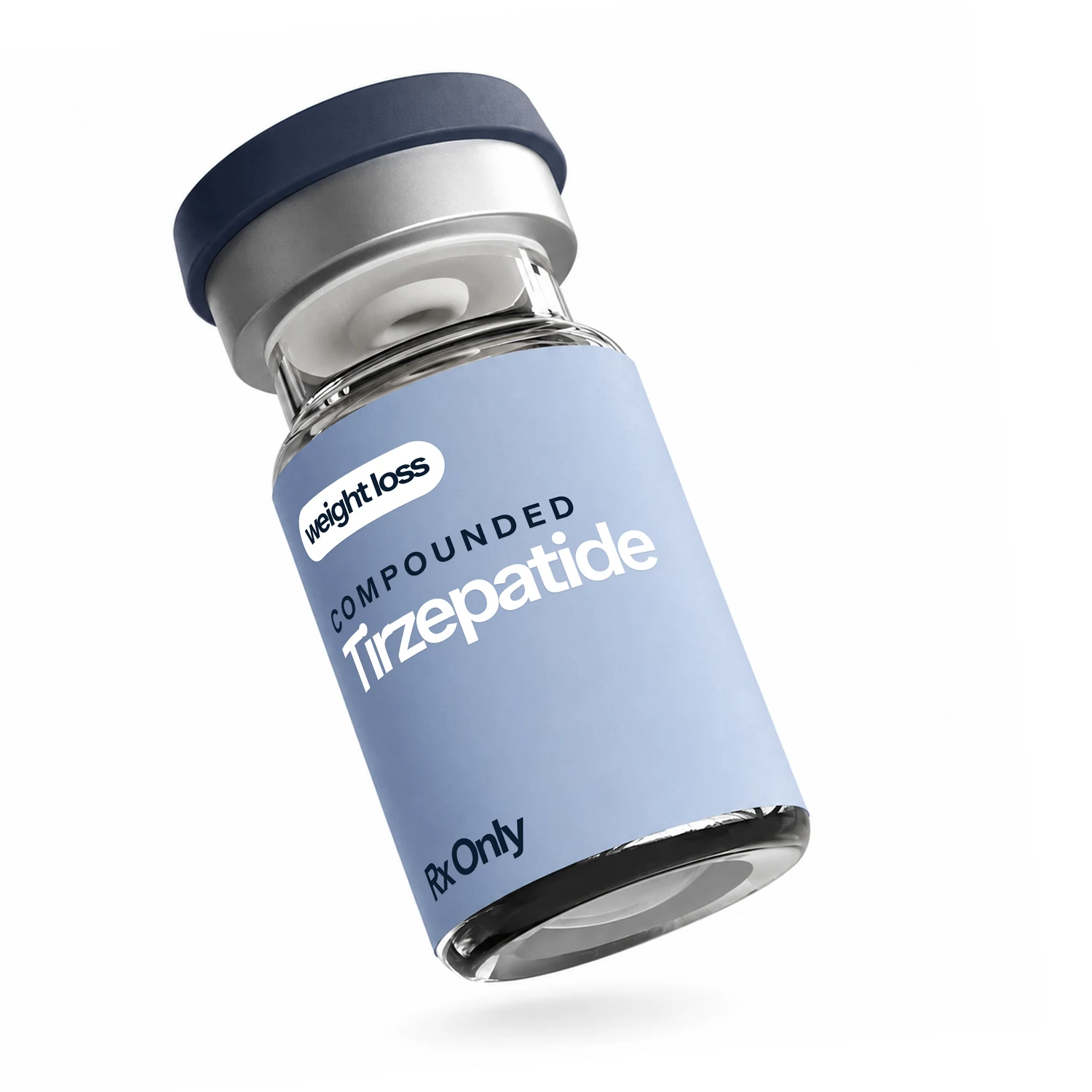
Compounded TirzepatideRx
Weekly GLP-1 + GIP injection.
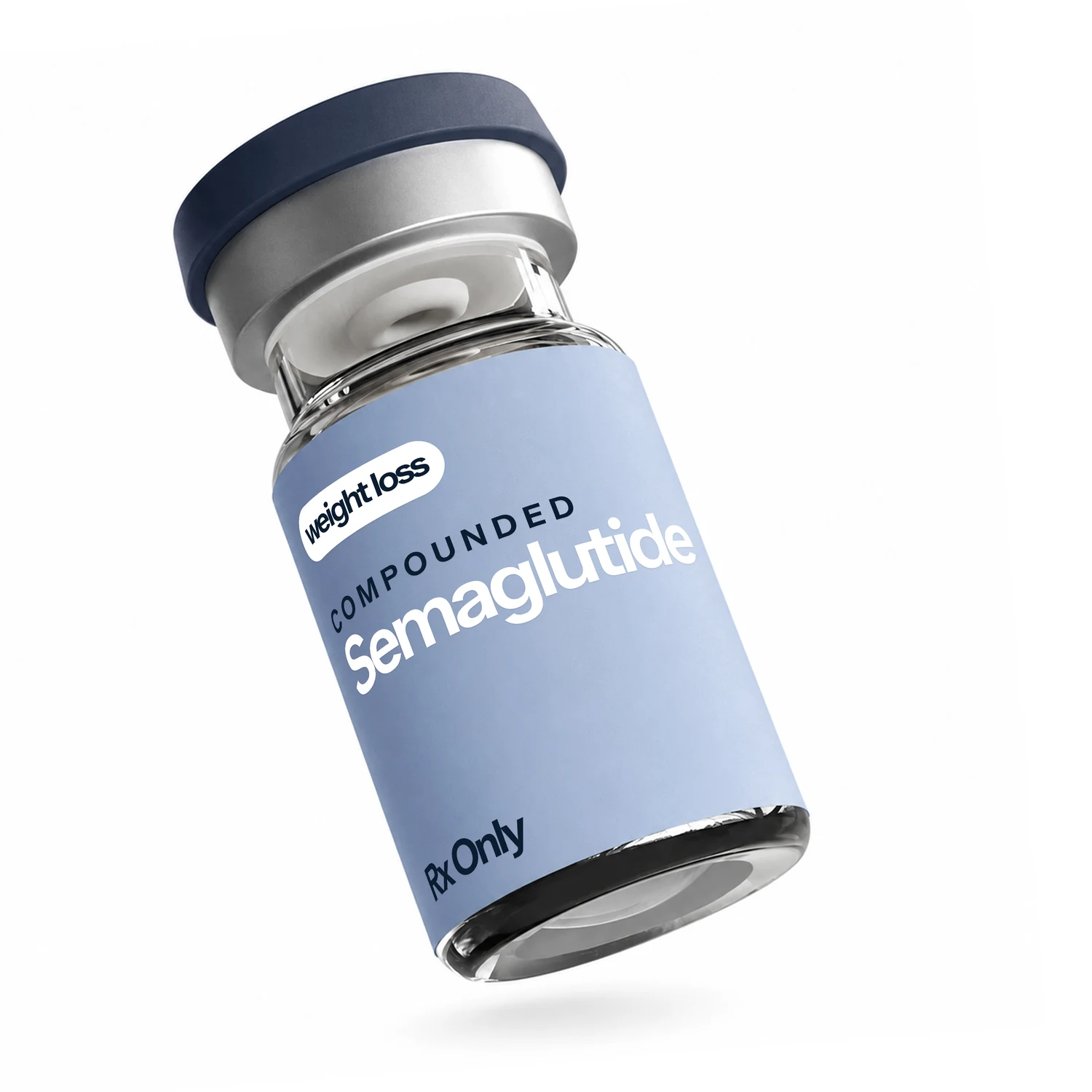
Compounded SemaglutideRx
Weekly GLP-1 injection.
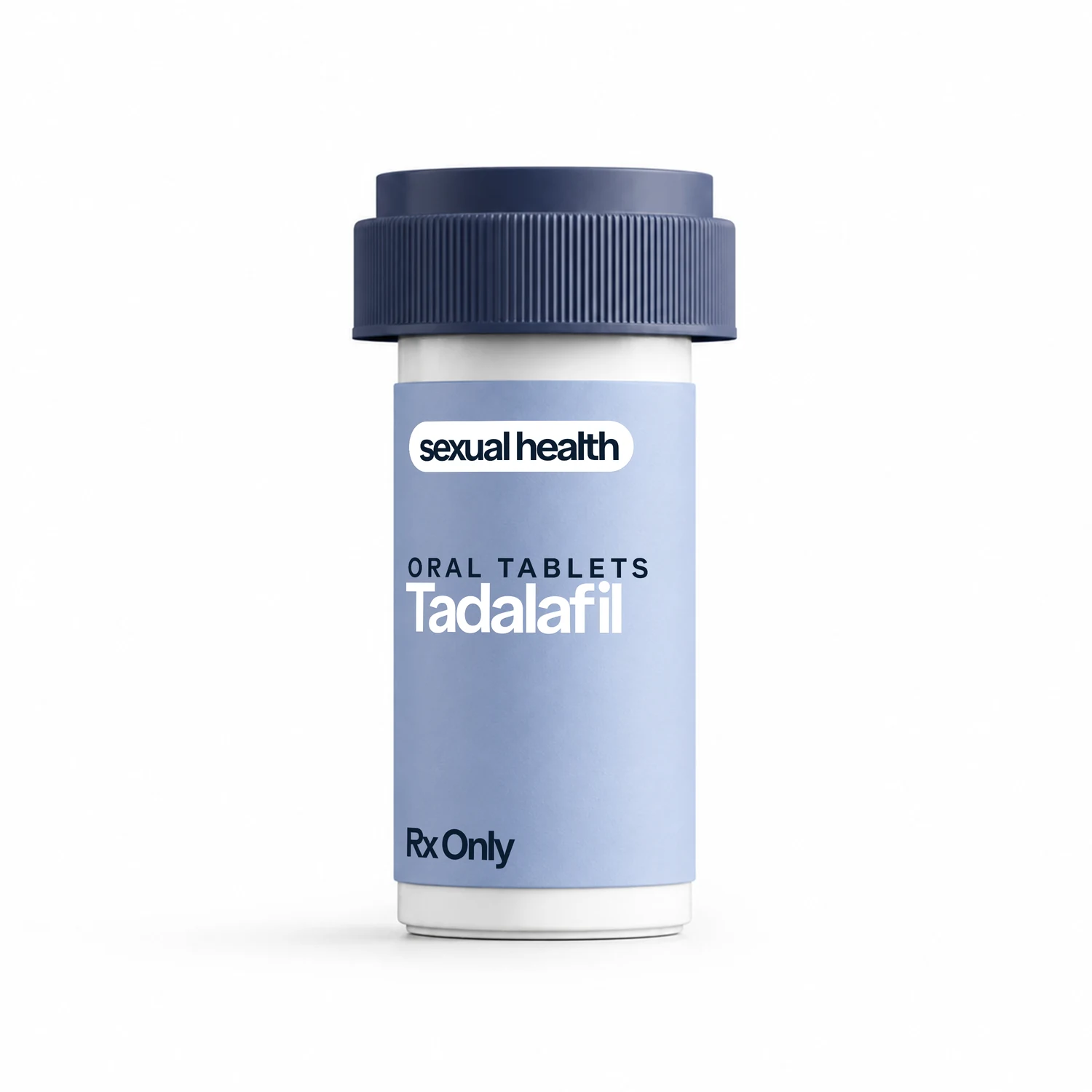
TadalafilRx
Generic Cialis®. Lasts up to 36 hours.
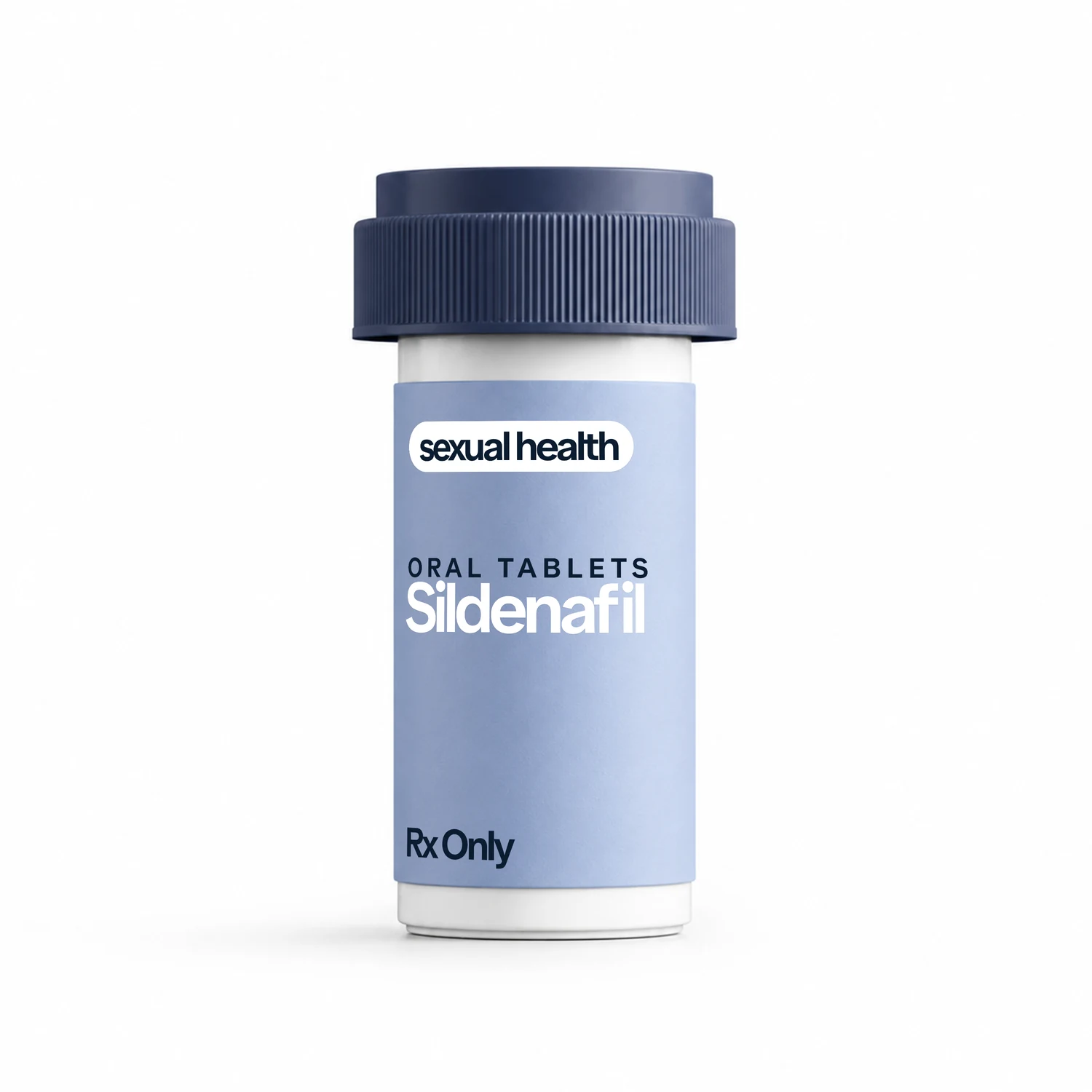
SildenafilRx
Generic Viagra®. Works in 30 minutes.
FinasterideRx
Generic Propecia®. Blocks DHT daily.

Hair Regrowth SprayRx
3-in-1 topical: finasteride + minoxidil + tretinoin.
GLP-1 and Alcohol: What Changes and Why

Written by Marcus W.
Published May 13, 2026

Key Takeaways
GLP-1 receptor agonists — the drug class that includes semaglutide and tirzepatide — appear to reduce alcohol intake and craving in a meaningful subset of patients, likely through overlapping reward pathways in the brain.
How GLP-1 Receptor Agonists Work
GLP-1 stands for glucagon-like peptide-1, a hormone released naturally from the gut after eating. It signals the pancreas to release insulin, slows gastric emptying, and — critically for this discussion — acts on receptors in the brain's reward and satiety centers, including the ventral tegmental area and the nucleus accumbens. These are the same regions involved in substance craving and reinforcement.
When a GLP-1 receptor agonist such as semaglutide or tirzepatide activates these central receptors, it appears to dampen the dopamine-driven "reward signal" that drives overconsumption — whether the substance is food or alcohol. The mechanism is not fully understood, and we don't yet know exactly which brain circuits are most responsible, but the preclinical and emerging clinical data are consistent enough to take seriously.
What the Evidence Shows
The primary evidence base comes from three areas: preclinical animal models, observational reports from large clinical trials, and early dedicated clinical studies.
Animal models have shown repeatedly that GLP-1 receptor agonists reduce voluntary alcohol consumption. A widely cited series of experiments published in Addiction Biology demonstrated that rodents given GLP-1 agonists significantly reduced ethanol self-administration without generalized appetite suppression — suggesting a reward-specific effect rather than simple nausea.
Large clinical trials were not designed to measure alcohol use, but patient-reported outcomes are telling. In the STEP 1 trial (semaglutide 2.4 mg, New England Journal of Medicine, 2021), and the SURMOUNT-1 trial (tirzepatide, New England Journal of Medicine, 2022), a notable proportion of participants spontaneously reported reduced desire for alcohol as a secondary observation. Results may vary, and these were not pre-specified endpoints.
Dedicated human studies are now underway. A 2023 pilot randomized controlled trial published in the Journal of Clinical Endocrinology and Metabolism examined semaglutide in adults with alcohol use disorder and found statistically significant reductions in drinks per week and in craving scores compared to placebo. The sample size was small; larger confirmatory trials are in progress. We don't yet know whether this effect is durable beyond six to twelve months or whether it persists after medication discontinuation.

Who May — and May Not — Benefit
Potentially appropriate candidates include men who are already being evaluated for weight management and who also report heavy or hazardous drinking as a contributing factor to their metabolic health. The prescribing provider determines whether a GLP-1 receptor agonist is appropriate after a medical intake that includes a full health history.
Relative contraindications and cautions the provider will assess include:
- Personal or family history of medullary thyroid carcinoma or Multiple Endocrine Neoplasia type 2 (MEN2) — GLP-1 receptor agonists carry an FDA black-box warning for this population.
- Active pancreatitis or a history of severe pancreatitis — the drug class has been associated with pancreatic enzyme elevation.
- Severe hepatic impairment — alcohol-related liver disease in advanced stages may affect drug metabolism; a provider will review liver function.
- Active alcohol use disorder requiring medically supervised detoxification — GLP-1 medications are not a substitute for dedicated addiction treatment, and abrupt alcohol cessation in a physically dependent individual requires medical supervision.
- Pregnancy or planned pregnancy.
If you have questions about your specific history, direct them to a licensed provider through the patient portal — not to support staff.
What to Expect on Treatment
Timeline: Most patients who notice a change in alcohol desire report it within two to four weeks of reaching a therapeutic dose, though individual responses vary significantly. Results may vary.
Common side effects of the drug class include nausea, vomiting, constipation, and diarrhea — most pronounced during dose escalation and typically improving over four to eight weeks. These gastrointestinal effects can be exacerbated by alcohol consumption, which may itself contribute to reduced drinking.
When to contact your provider promptly: - Persistent vomiting that prevents hydration - Severe abdominal pain radiating to the back (possible pancreatitis) - Signs of low blood sugar if you are also on insulin or a sulfonylurea - Any mood changes, including increased depression or anxiety
A Note on Mental Health — Especially for Men
May is Mental Health Awareness Month, and it is worth stating plainly: men account for approximately 80% of suicide deaths in the United States yet represent only about 20% of crisis helpline callers, according to data compiled by the American Foundation for Suicide Prevention (AFSP). Heavy alcohol use and mental health struggles are deeply intertwined — each worsens the other. If you are using alcohol to manage stress, sleep, or emotional pain, that is clinically significant information your provider needs to know.

The Movember Foundation has documented that men are far less likely to seek help for mental health concerns until a crisis point. If you are in crisis, contact the 988 Suicide & Crisis Lifeline by calling or texting 988. If you are not in crisis but recognize a pattern, the medical intake process is a legitimate, confidential place to surface it.
The Good Guy Rx Pathway
Good Guy Rx is a technology platform that connects men to independent licensed physicians and independent state-licensed pharmacies. If you are interested in whether a GLP-1 receptor agonist is appropriate for your weight and metabolic health goals — and want a provider who will also ask the right questions about your full health picture — you can begin with a confidential online medical intake for semaglutide or tirzepatide. Compounded medications available through affiliated pharmacies are prepared by state-licensed compounding pharmacies in accordance with FDA regulations and are not FDA-approved. The prescribing provider determines whether treatment is appropriate after reviewing your complete medical history.
Sources
- STEP 1 Trial: Semaglutide 2.4 mg in Adults with Obesity — *New England Journal of Medicine*, 2021
- SURMOUNT-1 Trial: Tirzepatide in Adults with Obesity — *New England Journal of Medicine*, 2022
- GLP-1 Receptor Agonists and Alcohol Use: Pilot RCT — *Journal of Clinical Endocrinology and Metabolism*, 2023
- GLP-1 Agonists Reduce Ethanol Self-Administration in Rodents — *Addiction Biology*
- Suicide Statistics — American Foundation for Suicide Prevention (AFSP)
- Men and Mental Health Gap — Movember Foundation
- FDA Black Box Warning: GLP-1 Receptor Agonists and Thyroid C-Cell Tumors — U.S. Food & Drug Administration
- 988 Suicide & Crisis Lifeline — SAMHSA/NIH
This article is educational. A licensed provider determines whether you are a candidate after a medical intake.
References
- [SURMOUNT-1 Trial: Tirzepatide in Adults with Obesity — *New England Journal of Medicine*, 2022](https://www.nejm.org/doi/full/10.1056/NEJMoa2206038)
- [GLP-1 Receptor Agonists and Alcohol Use: Pilot RCT — *Journal of Clinical Endocrinology and Metabolism*, 2023](https://pubmed.ncbi.nlm.nih.gov/)
- [GLP-1 Agonists Reduce Ethanol Self-Administration in Rodents — *Addiction Biology*](https://onlinelibrary.wiley.com/journal/13691600)
- [Suicide Statistics — American Foundation for Suicide Prevention (AFSP)](https://afsp.org/suicide-statistics/)
- [Men and Mental Health Gap — Movember Foundation](https://us.movember.com/mens-health/mental-health)
- [FDA Black Box Warning: GLP-1 Receptor Agonists and Thyroid C-Cell Tumors — U.S. Food & Drug Administration](https://www.fda.gov/)
- [988 Suicide & Crisis Lifeline — SAMHSA/NIH](https://988lifeline.org/)
- This article is educational. A licensed provider determines whether you are a candidate after a medical intake.*
Share this article

Ready to start your journey?
Complete your free online visit and see if GLP-1 treatment is right for you.
Get Started