
Good Guy Rx
Take care of what God gave you.
Get started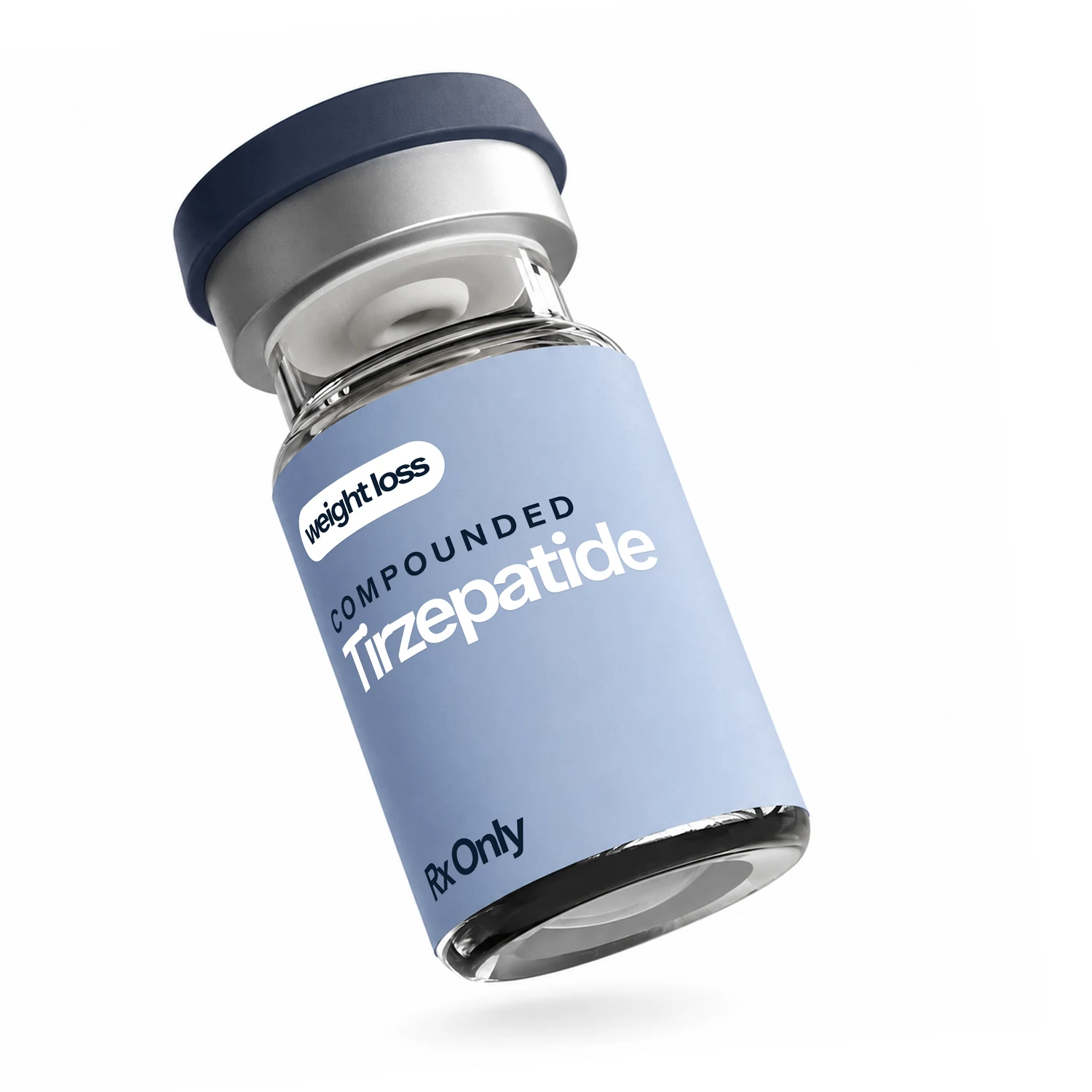
Compounded TirzepatideRx
Weekly GLP-1 + GIP injection.
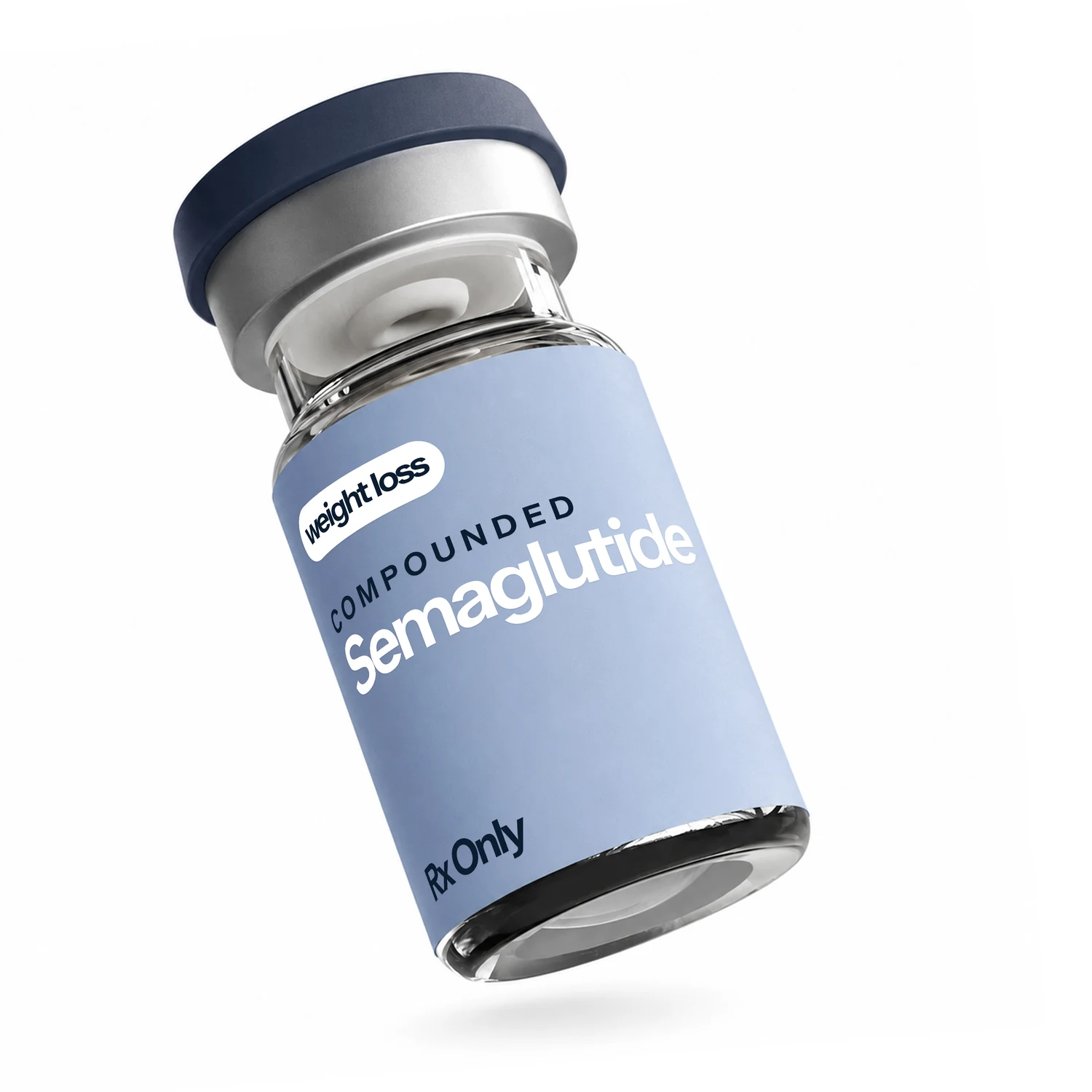
Compounded SemaglutideRx
Weekly GLP-1 injection.
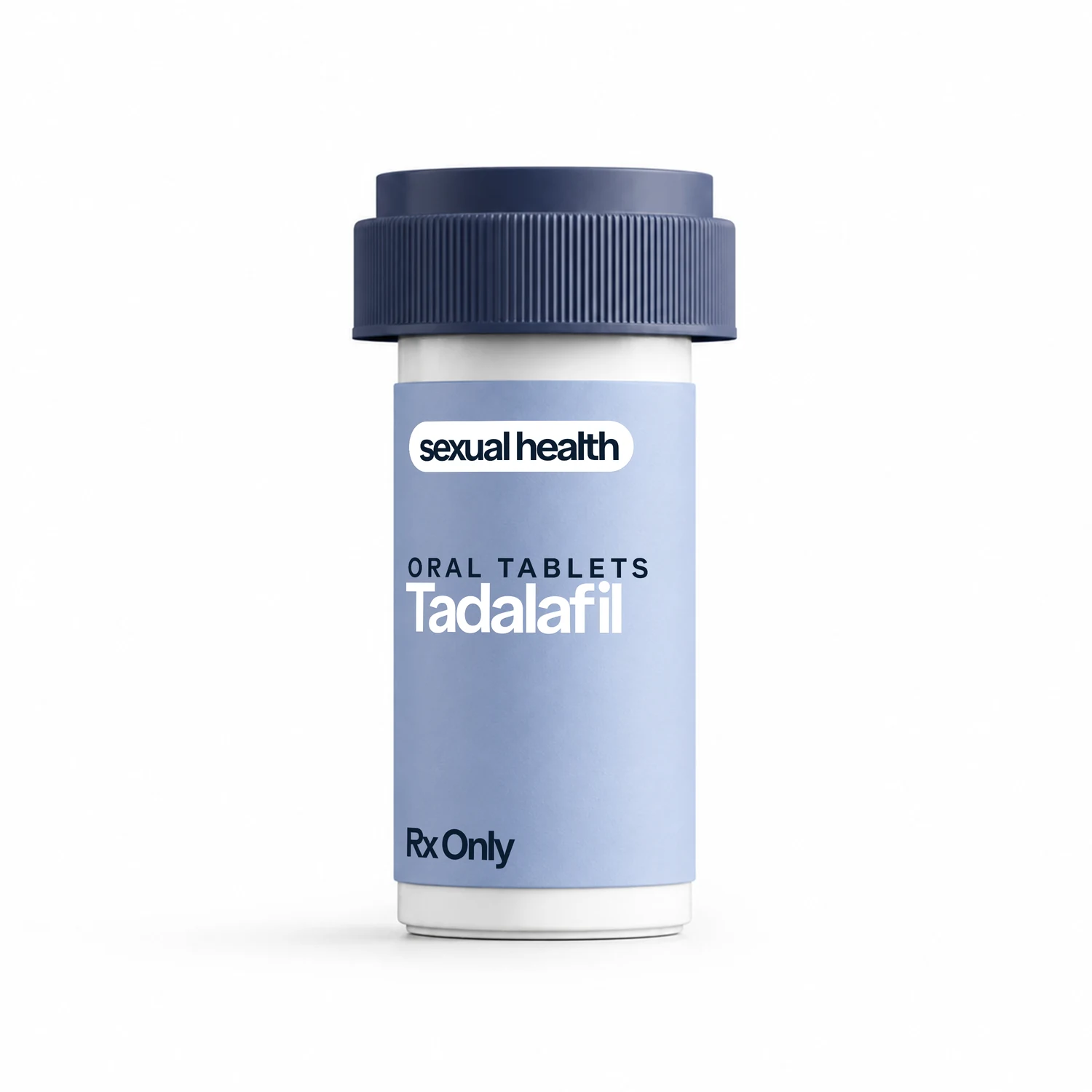
TadalafilRx
Generic Cialis®. Lasts up to 36 hours.
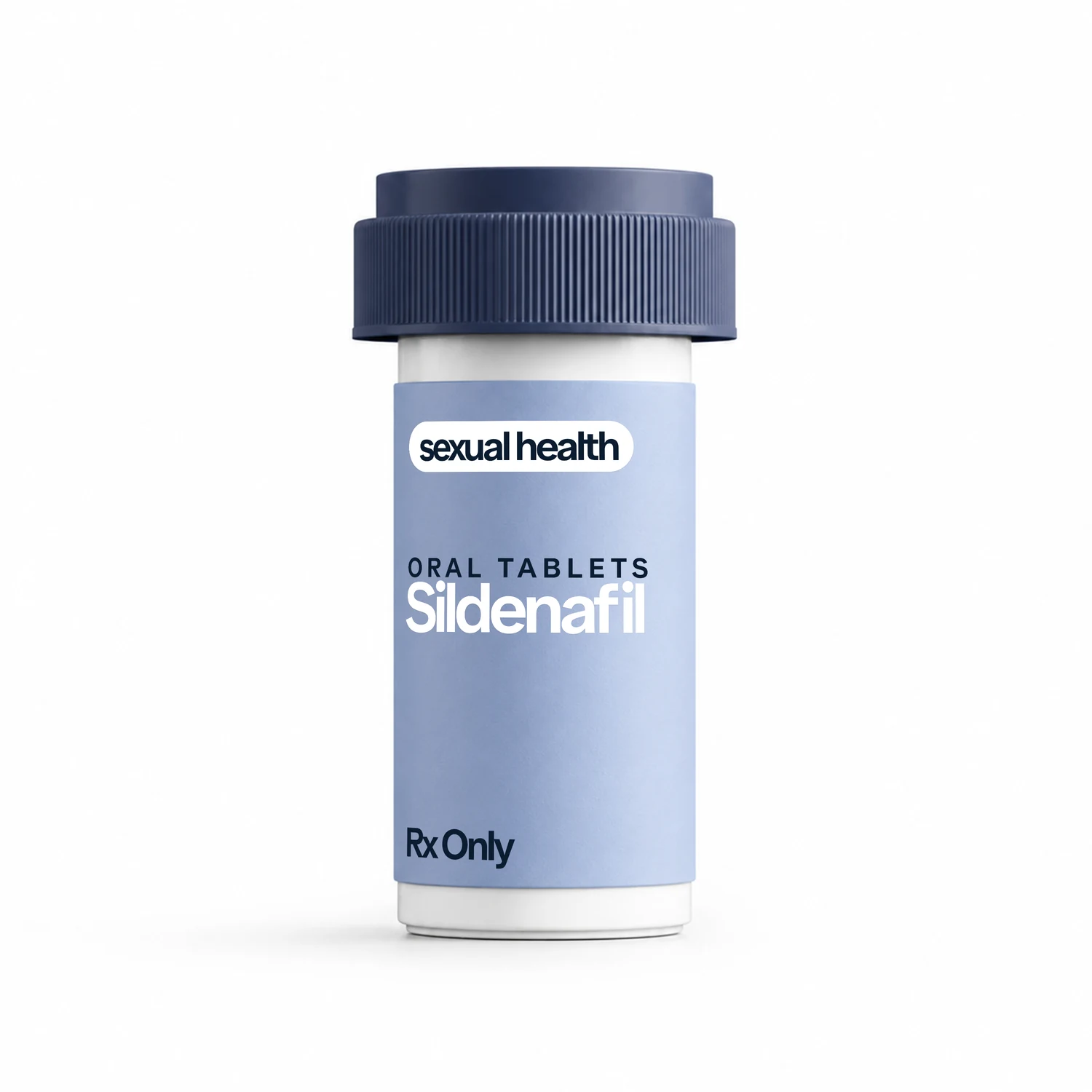
SildenafilRx
Generic Viagra®. Works in 30 minutes.
FinasterideRx
Generic Propecia®. Blocks DHT daily.
Hair Regrowth SprayRx
3-in-1 topical: finasteride + minoxidil + tretinoin.
How Finasteride Works to Stop DHT Hair Loss

Written by James T.
Published April 30, 2026

Key Takeaways
Finasteride slows androgenetic alopecia by blocking the enzyme that converts testosterone into the hormone most responsible for follicle miniaturization — a mechanism supported by over two decades of randomized controlled trial data.
How Finasteride Works: The Biology of DHT Hair Loss
To understand how finasteride works, you first need to understand androgenetic alopecia — the clinical term for the most common form of male pattern hair loss, affecting roughly 50% of men by age 50 according to the American Academy of Dermatology.
The primary driver is DHT (dihydrotestosterone), a potent androgen (male sex hormone) derived from testosterone. An enzyme called 5-alpha reductase (5α-reductase) converts free testosterone into DHT in tissues throughout the body, including the scalp. Men with a genetic predisposition to androgenetic alopecia have hair follicles that are unusually sensitive to DHT. When DHT binds to receptors in susceptible follicles, it shortens the anagen (active growth) phase of the hair cycle and progressively shrinks — or miniaturizes — the follicle itself. Over time, those follicles produce thinner, shorter hairs until they stop producing visible hair entirely.
Finasteride is a selective inhibitor of 5α-reductase type II, the isoform most active in scalp tissue. By blocking this enzyme, finasteride reduces scalp and serum DHT levels by approximately 60–70%, according to published pharmacokinetic data. With less DHT available to bind follicle receptors, the miniaturization process slows — and in many men, partially reverses. Results may vary.
The Evidence Base
The foundational data on oral finasteride (1 mg daily) comes from two large, randomized, double-blind, placebo-controlled trials published in the *Journal of the American Academy of Dermatology* in 1998 by Kaufman and colleagues. Over 1,553 men aged 18–41 with mild-to-moderate androgenetic alopecia, those assigned to finasteride showed statistically significant improvements in hair count, hair weight, and investigator-assessed hair growth compared to placebo at 12 and 24 months. Results may vary.
A five-year extension of those trials demonstrated that the majority of men on finasteride maintained or improved hair counts, while the placebo group continued to lose hair — supporting the conclusion that ongoing suppression of DHT is required to sustain benefit.
More recent interest has focused on compounded topical finasteride, often formulated in combination with minoxidil (a vasodilator that prolongs the anagen phase through a separate mechanism). A 2018 study published in *JAMA Dermatology* by Chandrashekar et al. reported that a topical finasteride formulation produced meaningful reductions in scalp DHT with lower systemic absorption compared to the oral form, potentially reducing the risk of systemic side effects. Results may vary, and direct comparisons between formulations require further large-scale trials.

Who Is — and Is Not — a Candidate
Likely candidates include men with confirmed androgenetic alopecia, particularly those with vertex (crown) or mid-scalp thinning. The drug is generally less effective for a completely receded frontal hairline where follicles may already be non-viable.
Finasteride is not appropriate for:
- Women who are or may become pregnant. Finasteride is a teratogen — it causes birth defects in male fetuses. It should not be handled by pregnant women in crushed or broken form.
- Men with a history of hypersensitivity to finasteride or any component of the formulation.
- Men with certain liver conditions, since finasteride is hepatically metabolized.
- Men with prostate cancer currently under evaluation — finasteride can lower PSA (prostate-specific antigen) levels by roughly 50%, potentially masking a rising PSA used to monitor disease. Any man on finasteride should inform his urologist before PSA testing.
The prescribing provider determines whether finasteride is appropriate after a thorough medical intake, including a review of your current medications and health history.
A Note for Testicular Cancer Awareness Month
April is Testicular Cancer Awareness Month — a timely reminder that men 15–45 are the primary risk group for testicular cancer, according to the American Cancer Society. Monthly self-examination takes under two minutes: feel each testicle between the thumb and forefinger, noting any firm lumps, changes in size, or heaviness. Early detection is strongly associated with favorable outcomes. If you notice anything unusual, contact a licensed provider or urologist promptly — do not delay because of embarrassment. Responsible stewardship of your health includes the full picture, not just what's visible in the mirror.
What to Expect on Treatment
- Onset: Most men do not see visible results before 3–6 months of consistent daily use. Hair shedding may temporarily increase in the first 4–8 weeks as the follicle cycle resets — this is normal and typically resolves.
- Maintenance: Benefits are sustained only with continued use. Discontinuing finasteride generally leads to a return of DHT-driven loss within 6–12 months.
- Common side effects: A small percentage of men (reported at approximately 1–4% in clinical trials) experience sexual side effects including decreased libido, erectile dysfunction, or reduced ejaculate volume. These are generally reversible upon discontinuation, though rare cases of persistent symptoms have been reported. Discuss this risk explicitly with your prescribing provider.
- When to contact your provider: Report any breast tenderness or lumps, depression, or persistent sexual side effects through the patient portal immediately. Do not relay medical concerns to support staff — use the provider portal for clinical questions.

The Good Guy Rx Pathway
Good Guy Rx is a technology platform that connects men to independent licensed physicians and independent state-licensed pharmacies. If you're noticing thinning at the crown or along the part line, the pathway starts with a structured medical intake — your prescribing provider will review your history, assess candidacy, and, if appropriate, discuss options including oral finasteride or compounded topical finasteride + minoxidil, prepared by state-licensed compounding pharmacies in accordance with FDA regulations. Compounded medications are not FDA-approved. Start your assessment to connect with a licensed provider.
Sources
- Kaufman KD et al. — Finasteride in the treatment of men with androgenetic alopecia — *Journal of the American Academy of Dermatology* (1998)70010-6/abstract)
- Chandrashekar BS et al. — Topical minoxidil and finasteride — *JAMA Dermatology* (2018)
- American Academy of Dermatology — Hair Loss Overview
- American Cancer Society — Testicular Cancer Early Detection
- FDA — Finasteride Drug Label
- NIH MedlinePlus — Finasteride
This article is educational. A licensed provider determines whether you are a candidate after a medical intake.
References
- scale trial
- [Chandrashekar BS et al. — Topical minoxidil and finasteride — *JAMA Dermatology* (2018)](https://jamanetwork.com/journals/jamadermatology/fullarticle/2668085)
- [American Academy of Dermatology — Hair Loss Overview](https://www.aad.org/public/diseases/hair-loss/types/alopecia)
- [American Cancer Society — Testicular Cancer Early Detection](https://www.cancer.org/cancer/testicular-cancer/detection-diagnosis-staging/detection.html)
- [FDA — Finasteride Drug Label](https://www.accessdata.fda.gov/drugsatfda_docs/label/2012/020788s020lbl.pdf)
- [NIH MedlinePlus — Finasteride](https://medlineplus.gov/druginfo/meds/a698016.html)
- This article is educational. A licensed provider determines whether you are a candidate after a medical intake.*
Share this article

Ready to start your journey?
Complete your free online visit and see if GLP-1 treatment is right for you.
Get Started