
Good Guy Rx
Take care of what God gave you.
Get started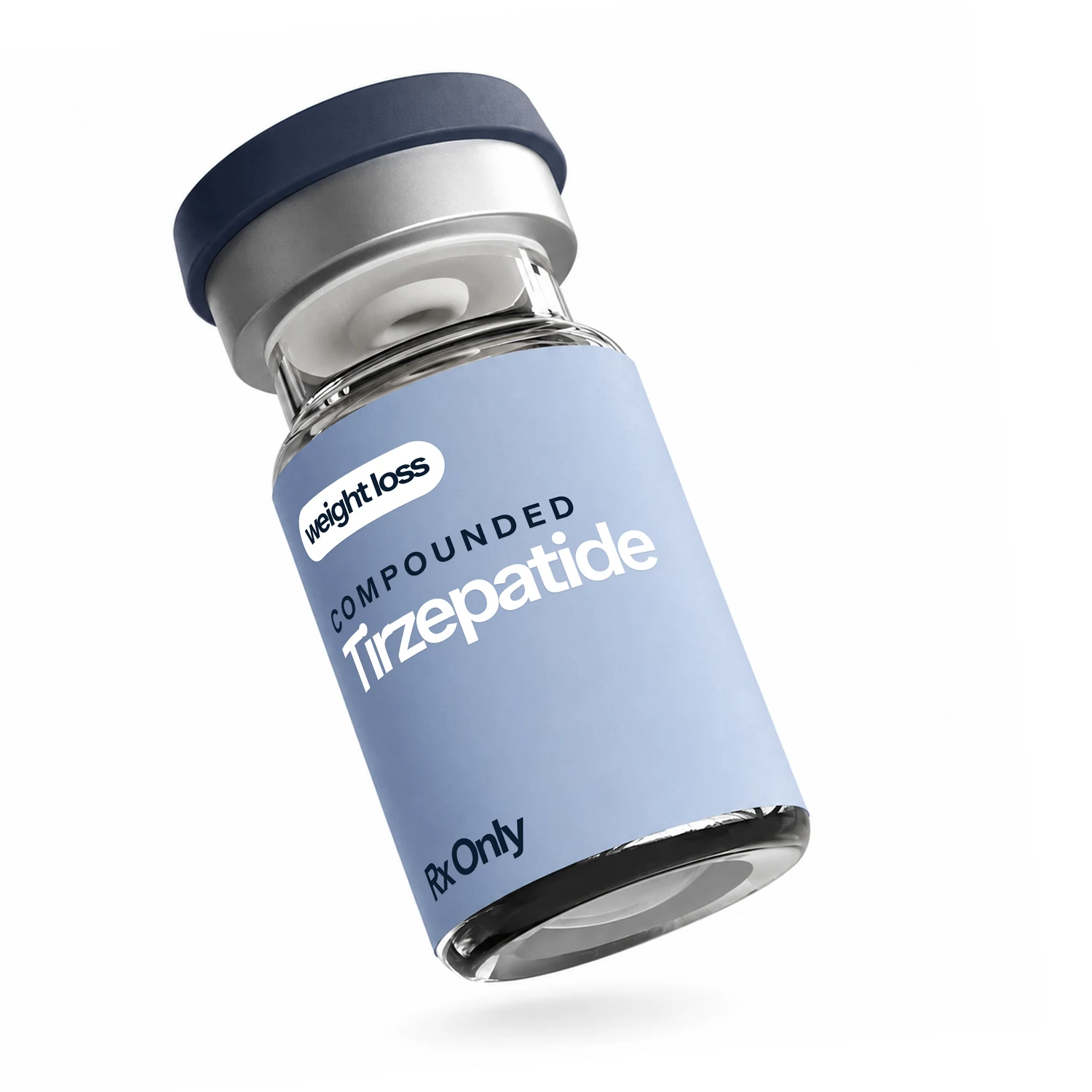
Compounded TirzepatideRx
Weekly GLP-1 + GIP injection.

Compounded SemaglutideRx
Weekly GLP-1 injection.
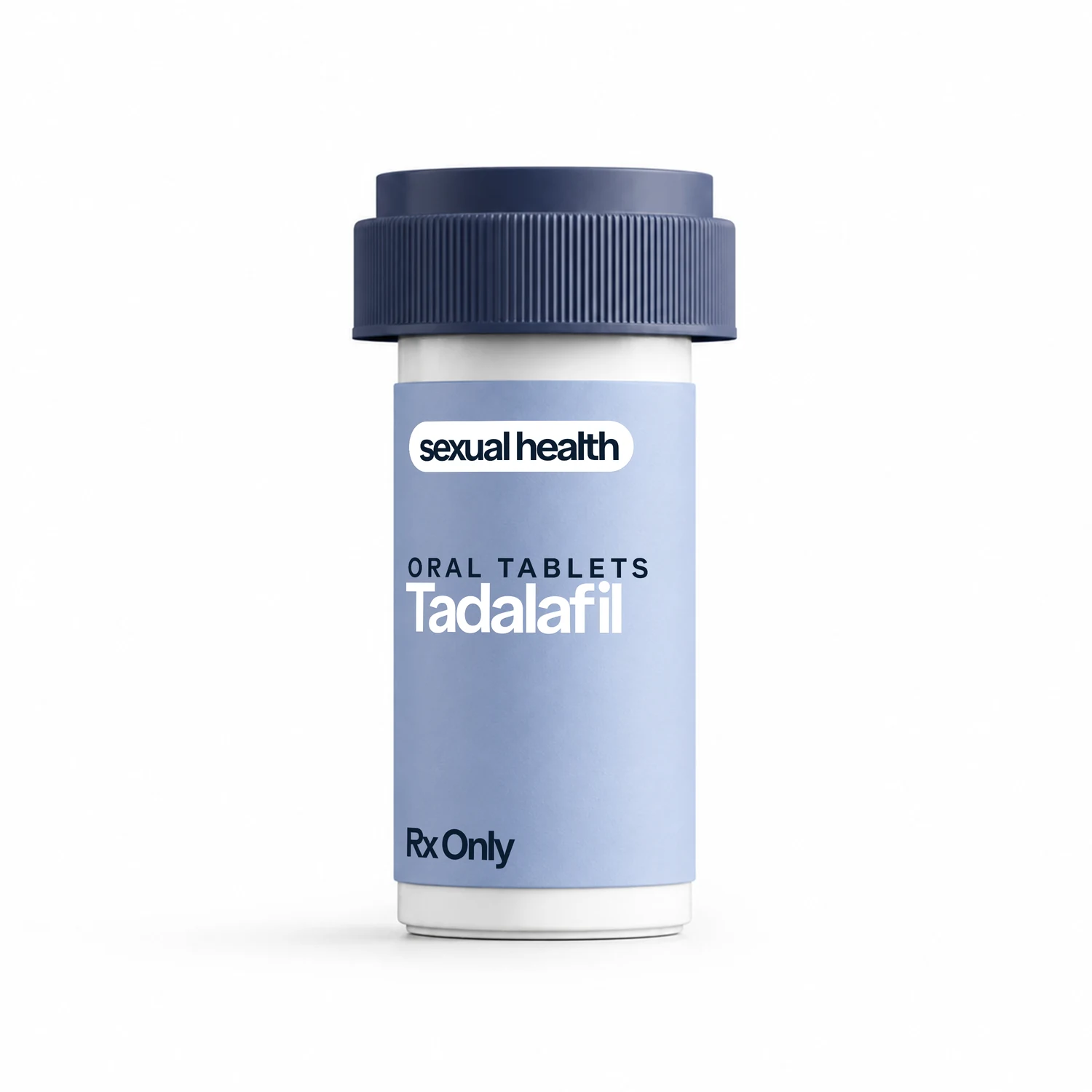
TadalafilRx
Generic Cialis®. Lasts up to 36 hours.
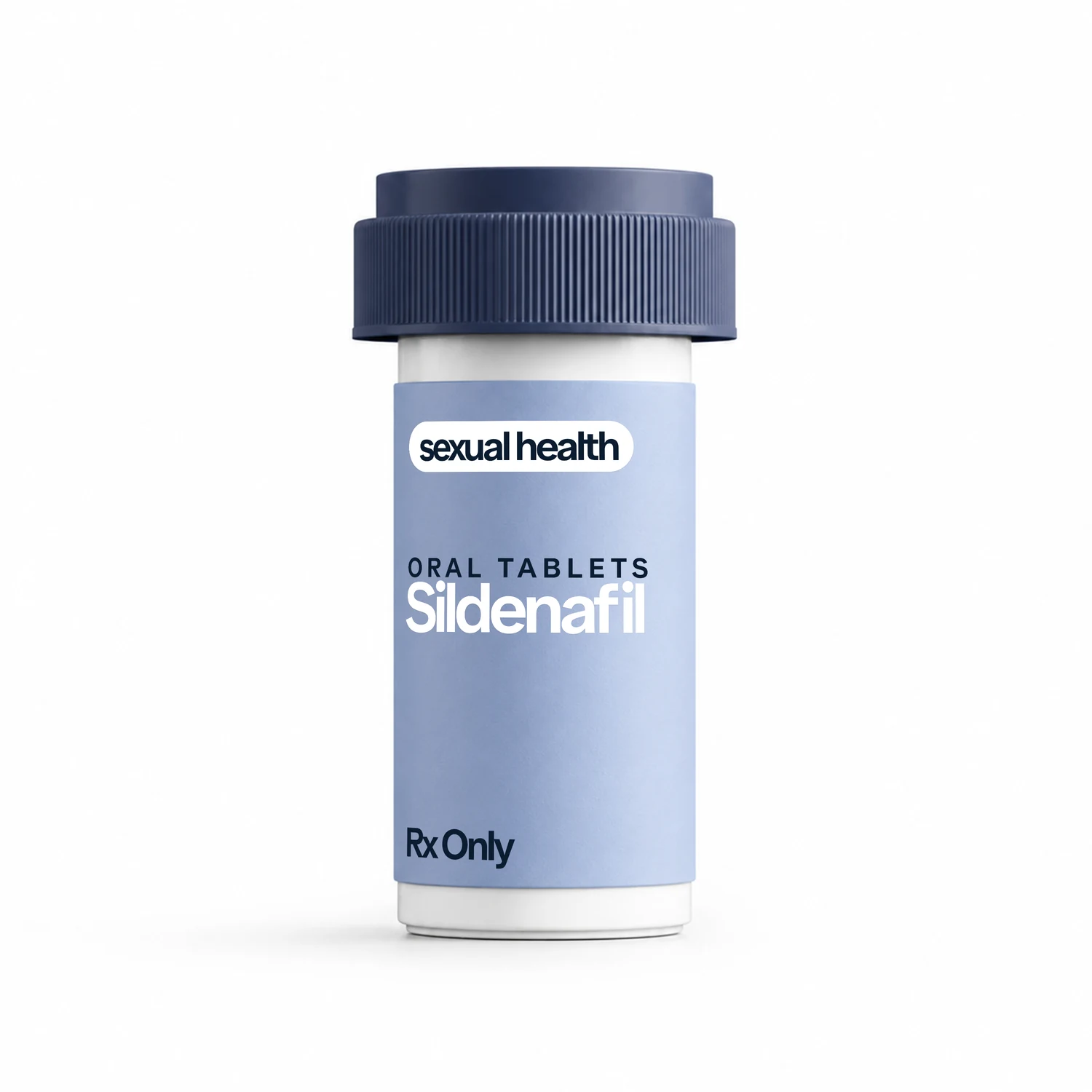
SildenafilRx
Generic Viagra®. Works in 30 minutes.
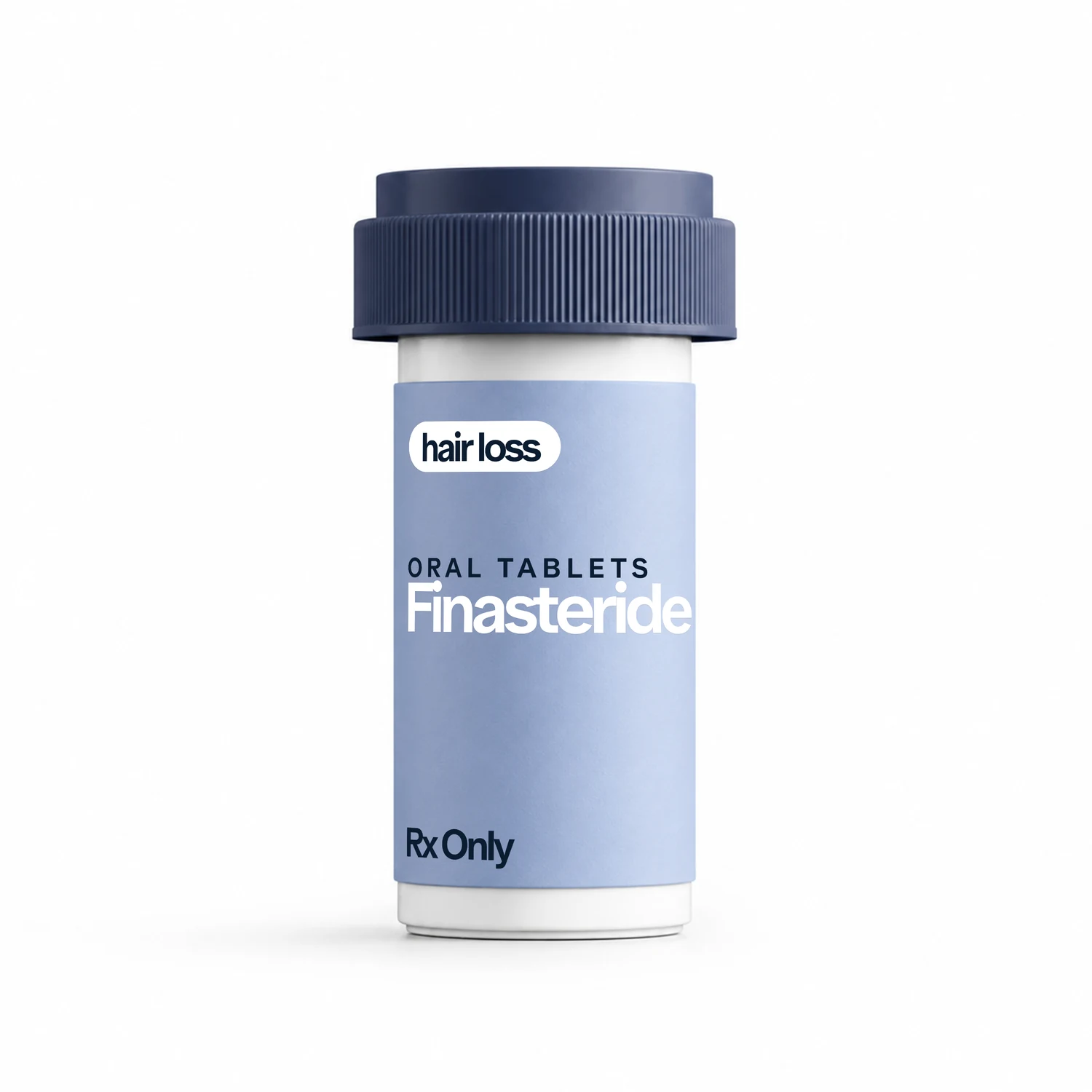
FinasterideRx
Generic Propecia®. Blocks DHT daily.
Hair Regrowth SprayRx
3-in-1 topical: finasteride + minoxidil + tretinoin.
Eating Clean Men Over 50: Feed the Man You'll Be

Written by Todd Chrisley
Published March 1, 2026

Key Takeaways
# Eat Like the Man You Want to Be Ten Years From Now
I did not think about what I was eating until my body started presenting me with the bill. That is how it works for most men. You run hard for decades, you put whatever fuel is available into the tank, and somewhere around fifty you realize the tank has a crack in it and the engine is knocking. I know that feeling personally. And I know the moment you stop blaming circumstances and start taking responsibility for your plate is the same moment something shifts.
This is National Nutrition Month. I am not going to talk to you about diets. I am going to talk to you about stewardship, because that is what eating clean actually is once you get past the magazine covers and the fitness noise.
The Bill Comes Due
I spent 28 months in federal prison. I will not dress that up. What I will tell you is that one of the things you lose when you lose your freedom is control over what goes into your body. You eat what you are given. You do not choose your protein. You do not select your produce. I dreamed about simple food — a clean piece of grilled fish, a bowl of vegetables, something that tasted like it came out of a real kitchen.
When I came home, I made a decision. I was not going to take a single meal for granted. Not because I was chasing a number on a scale, but because God gave me this body and I had not been treating it like a gift. I had been treating it like a rental car.
If you are reading this and you are somewhere between 45 and 70, there is a very good chance you have been doing the same thing.
What the Research Actually Says About Men Over 50
Here is what we know, and I want to be straight with you because I do not believe in softening facts.
Testosterone levels in men begin declining roughly 1 to 2 percent per year after age 30, according to the National Institutes of Health. By the time you are in your fifties, that compounding loss has real consequences for muscle retention, energy, and metabolic function.
Lean muscle mass — the tissue that keeps your metabolism working, protects your joints, and determines how functional you are at 70 — requires adequate protein to maintain. According to research published in the American Journal of Men's Health, men over 50 are frequently under-consuming protein relative to their actual physiological need, particularly when they are sedentary.
The Mediterranean dietary pattern — studied in a landmark trial published in The New England Journal of Medicine — was associated with significantly reduced risk of major cardiovascular events in high-risk individuals. The pattern is not complicated: vegetables, legumes, fish, olive oil, nuts, and whole grains. No mystery. No expensive powders. Real food.

The principle is simple. What you eat in your fifties determines the quality of your sixties. Results may vary, but the biology does not lie.
The Protein Conversation You Have Not Had
Most men over 50 I have spoken with eat one serious protein source a day — usually at dinner — and consider themselves covered. They are not.
Peer-reviewed research suggests that distributing protein intake across three meals, rather than loading it at dinner, supports better muscle protein synthesis in older adults. That means eggs or Greek yogurt at breakfast, not a muffin. A piece of chicken or canned salmon at lunch, not a sandwich with two thin slices of deli meat. A substantial animal or plant-based protein at dinner.
The target range most commonly cited in clinical literature is 1.2 to 1.6 grams of protein per kilogram of body weight per day for older men who want to preserve lean mass. Work that out for your own weight and you will likely find you have been leaving a significant gap.
The Sleep and Sugar Connection
I will make this brief because the point is direct: sugar disrupts sleep, and poor sleep disrupts everything else.
According to the CDC, more than one-third of American adults are not getting sufficient sleep. In men over 50, disrupted sleep is tied to elevated cortisol, suppressed testosterone, increased appetite for processed food, and impaired glucose metabolism.
If you are eating clean during the day and then sitting in front of the television with something sweet every night, you are working against yourself. I am not telling you to live like a monk. I am telling you that the late-night sugar is costing you more than you think.
The Practical Turn
Here is what I actually do, and what I would tell any man sitting where I was sitting three years ago.
Eat vegetables first at every meal. Not as a side note. As the foundation. Fill half your plate before the protein lands.
Choose fish twice a week. Salmon, sardines, cod, tuna — whatever fits your budget and your palate. The omega-3 fatty acids support cardiovascular health and reduce systemic inflammation, per data reviewed by the NIH Office of Dietary Supplements.

Remove the bread basket habit. Not forever. Not with guilt. Just stop making it automatic. Order the bread if you want it. Stop eating it because it arrived.
Drink water before you decide you are hungry. Most men my age are chronically under-hydrated and misread thirst as hunger.
Walk after dinner. Not a workout. A twenty-minute walk. It blunts the postprandial glucose spike that follows a meal and signals to your body that you are still functional, not sedentary.
See your doctor. Get your bloodwork done. Know your fasting glucose, your triglycerides, your testosterone. You cannot manage what you cannot measure.
If you have been putting weight on around the middle and the standard advice has not moved it, that may be a clinical conversation worth having. Good Guy Rx is a technology platform that connects men to independent licensed physicians and independent state-licensed pharmacies. If a medically supervised weight loss assessment is appropriate for your situation, a licensed provider can evaluate you and discuss options — including medications prepared by state-licensed compounding pharmacies in accordance with FDA regulations. Compounded medications are not FDA-approved. Results may vary. Medical questions go to your provider through the patient portal.
The Close
Ten years from now, you will either be the man who made different choices starting today, or you will be wondering why you did not. Faith taught me that every morning is a chance to steward better what you have been given. Food is not complicated. Commitment is the hard part.
Take care of what God gave you.
Share this article

Ready to start your journey?
Complete your free online visit and see if GLP-1 treatment is right for you.
Get Started