
Good Guy Rx
Take care of what God gave you.
Get started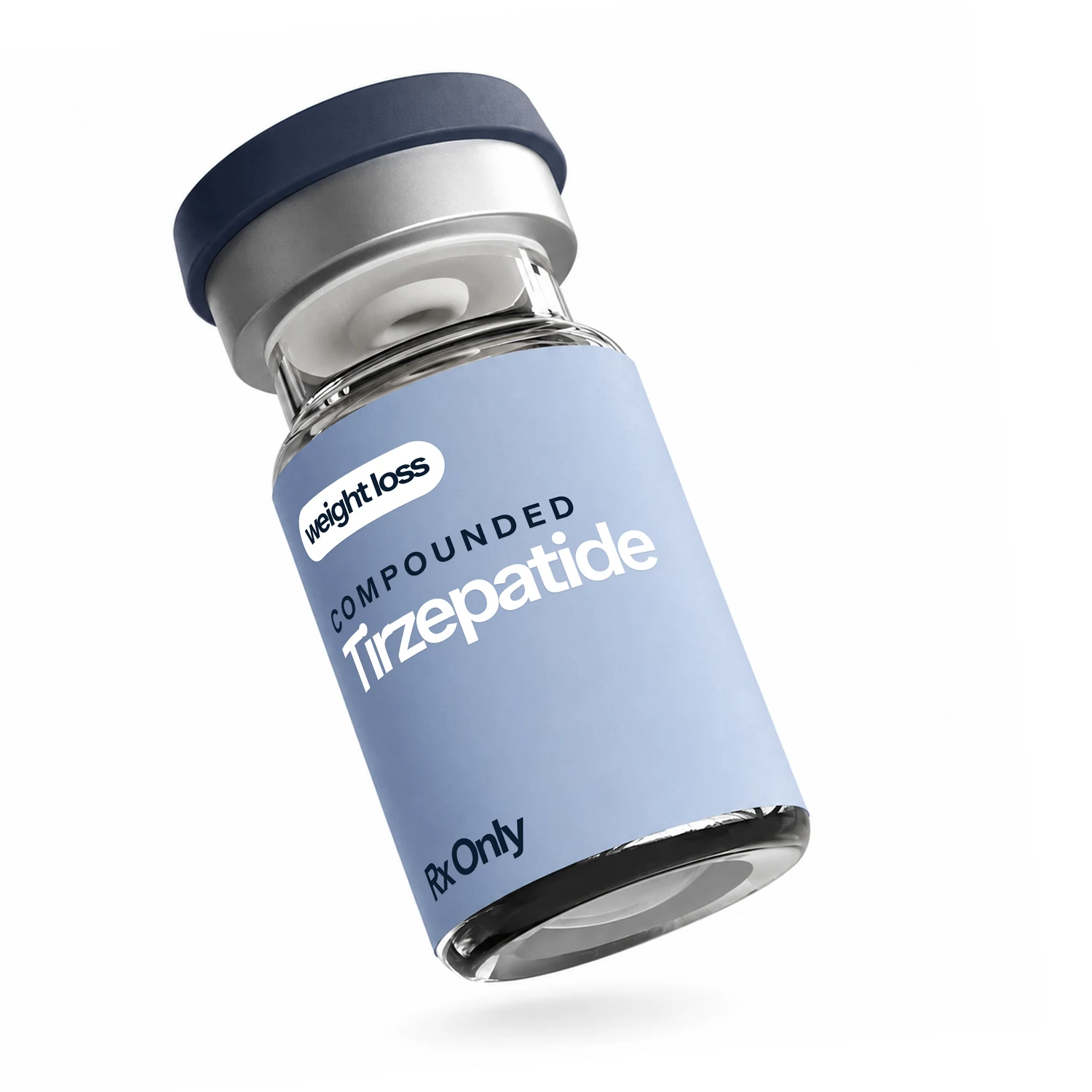
Compounded TirzepatideRx
Weekly GLP-1 + GIP injection.
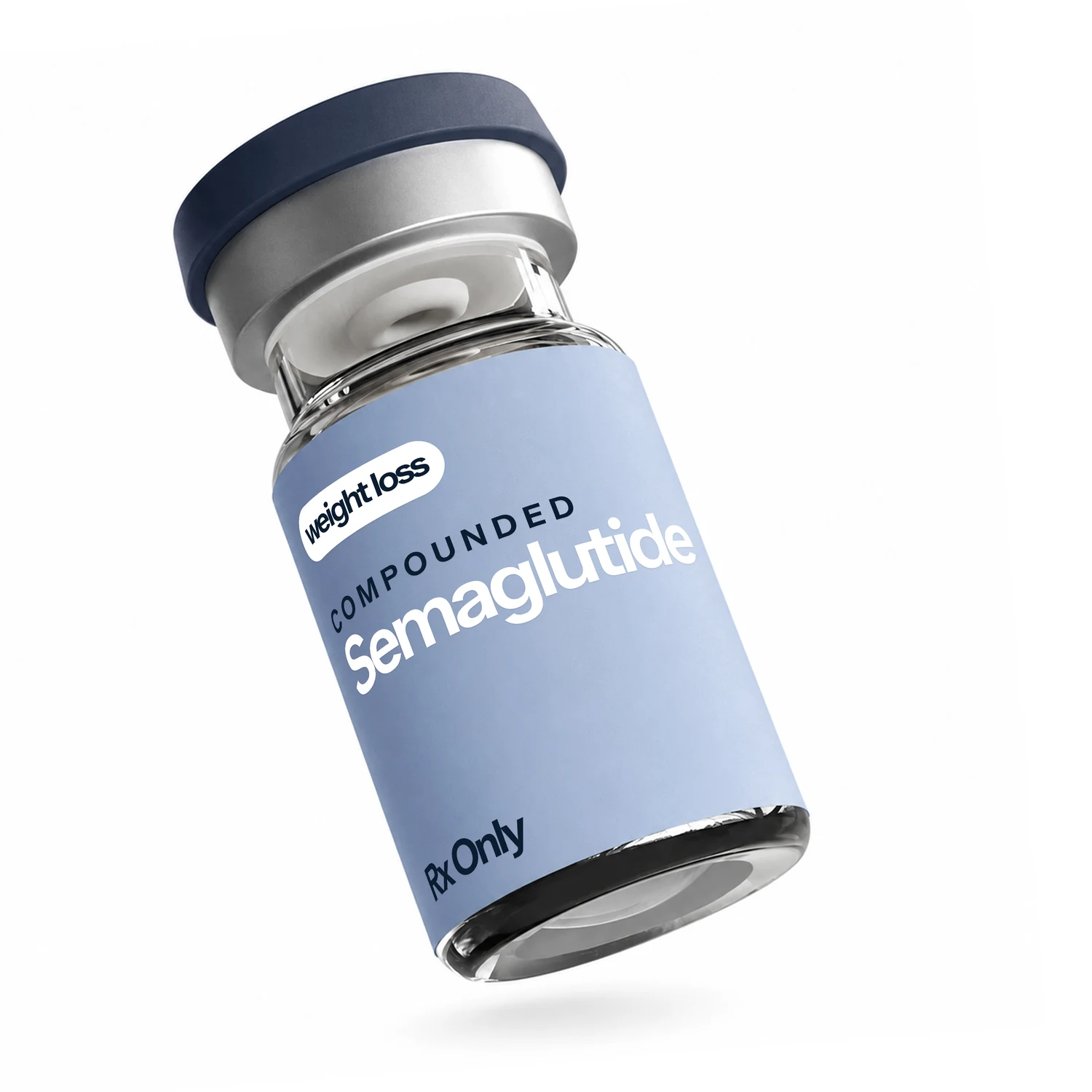
Compounded SemaglutideRx
Weekly GLP-1 injection.
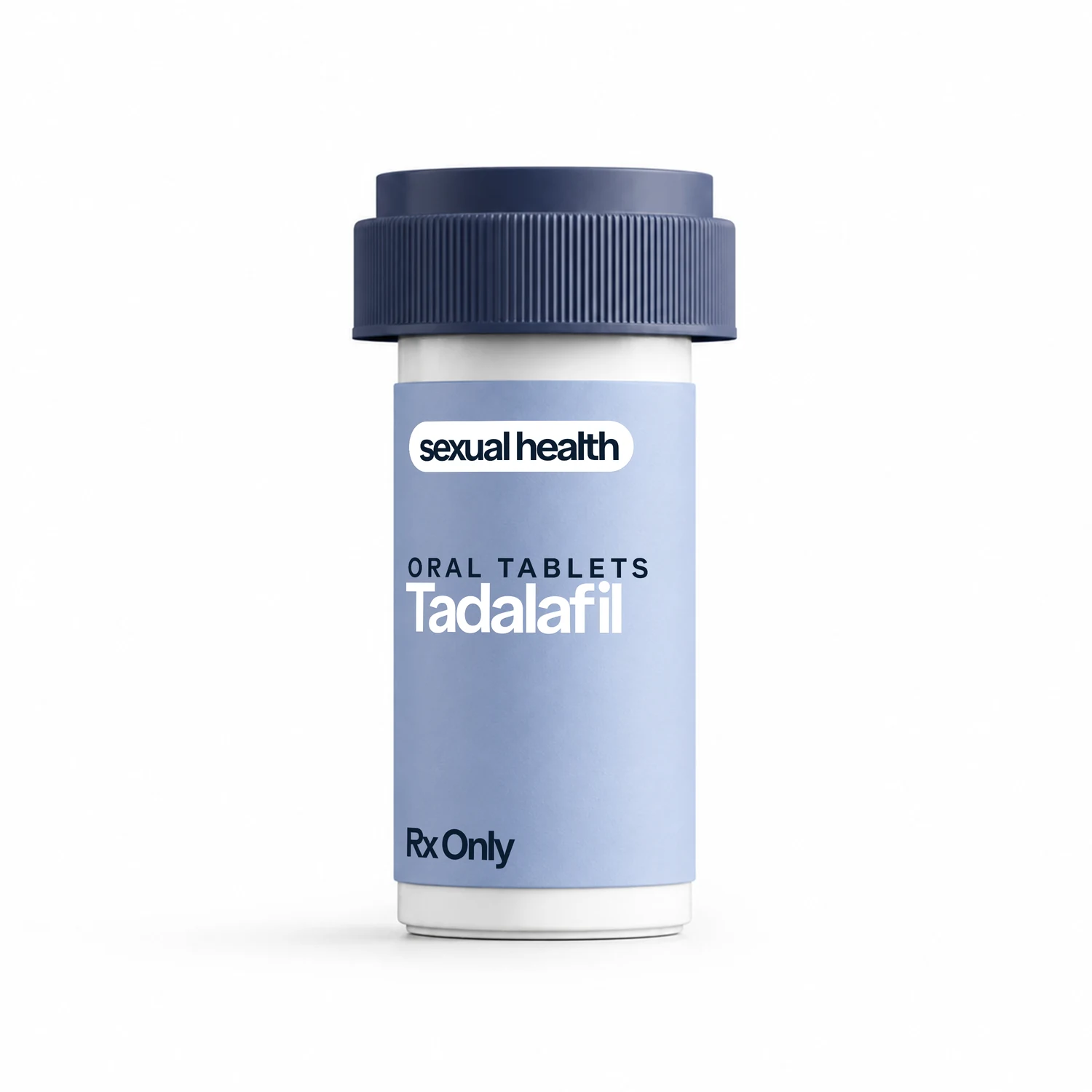
TadalafilRx
Generic Cialis®. Lasts up to 36 hours.
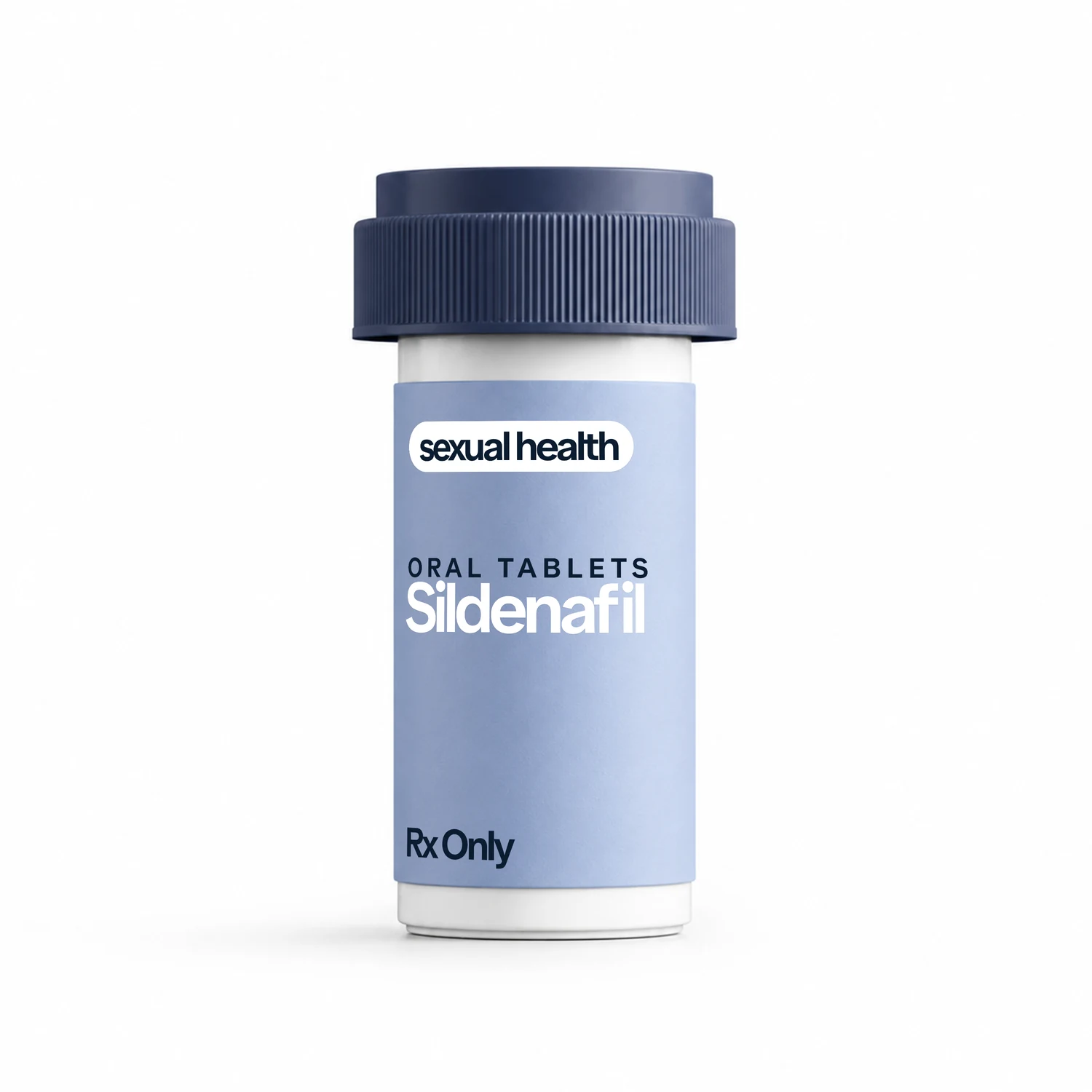
SildenafilRx
Generic Viagra®. Works in 30 minutes.
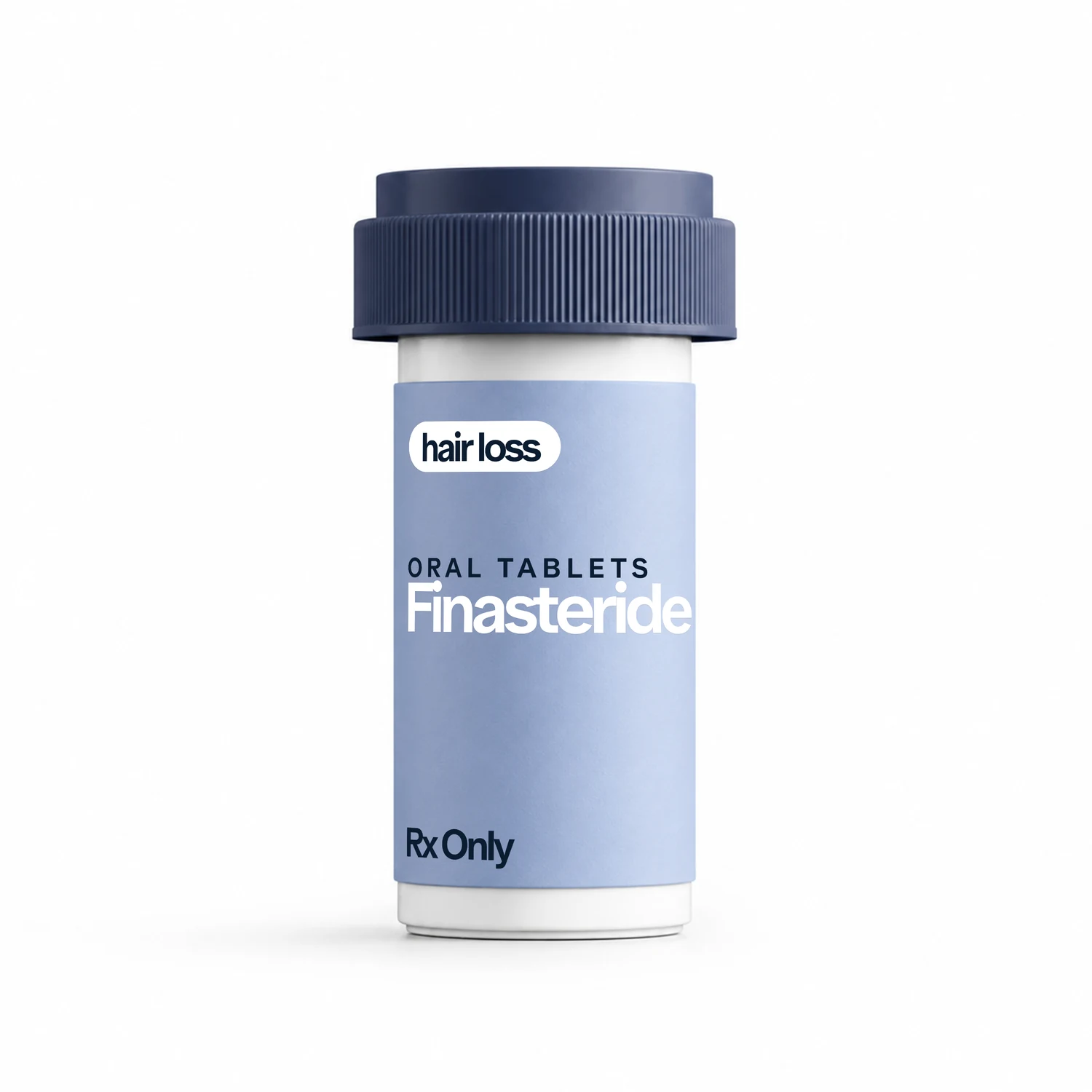
FinasterideRx
Generic Propecia®. Blocks DHT daily.
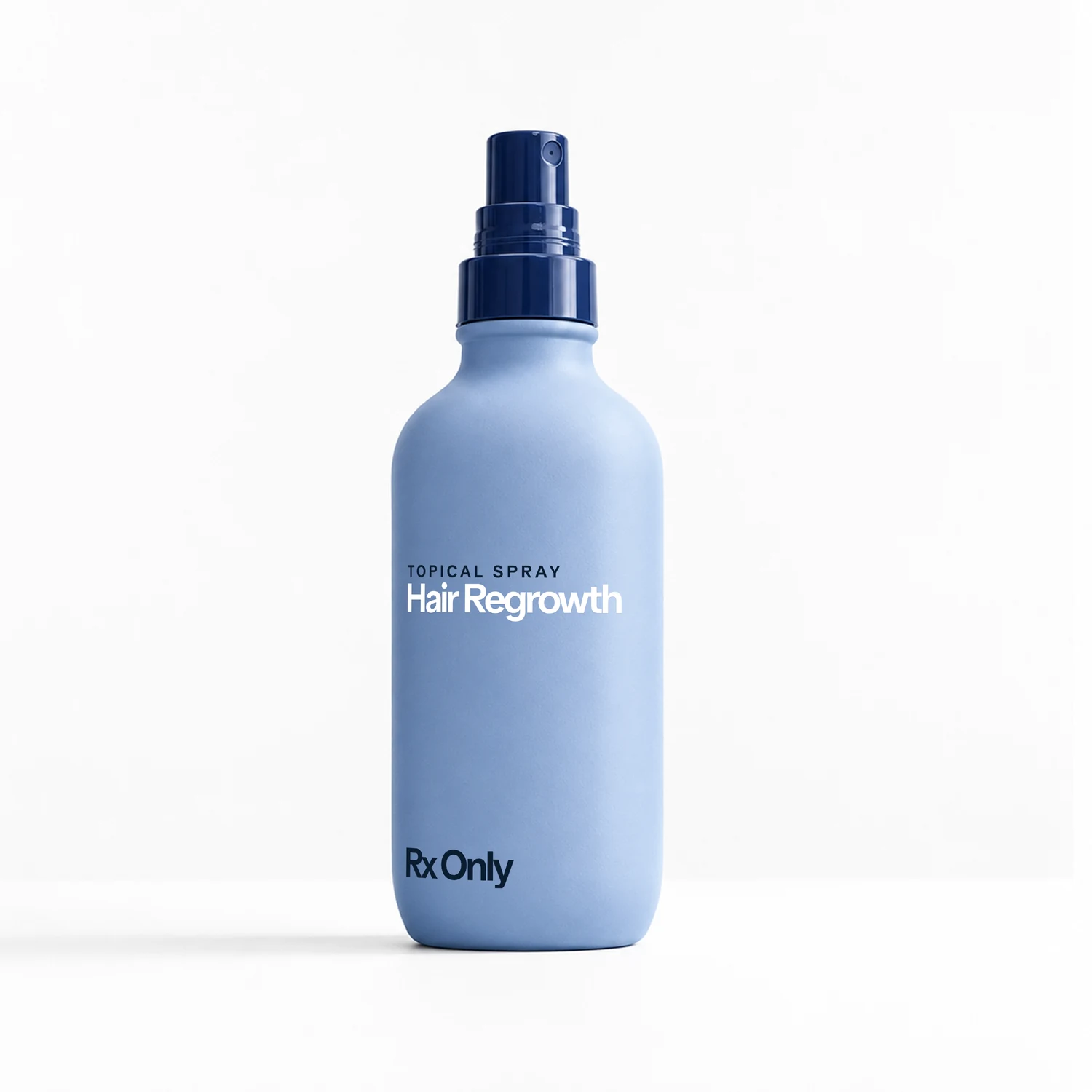
Hair Regrowth SprayRx
3-in-1 topical: finasteride + minoxidil + tretinoin.
Compounded GLP-1 vs Brand Name: The Real Difference

Written by David K.
Published March 20, 2026

Key Takeaways
# Compounded GLP-1 vs Brand Name: What Is the Actual Difference?
If you typed "compounded GLP-1 vs brand name" into a search bar, you already know the basics: there are medications like Ozempic and Wegovy on one side, and compounded semaglutide on the other. What you probably want to know is whether they do the same thing, which one is appropriate for you, and why the price gap is so wide. Those are fair questions. This article answers them plainly.
What Brand-Name GLP-1 Medications Are
GLP-1 receptor agonists are a class of medications that mimic glucagon-like peptide-1, a hormone your gut releases after eating. That hormone signals your pancreas to release insulin, slows how quickly your stomach empties, and reduces appetite signals in the brain. The result, in clinical terms, is lower blood sugar and reduced caloric intake.
Semaglutide is the active molecule in two FDA-approved brand-name products: Ozempic, which is approved for type 2 diabetes management, and Wegovy, which is approved specifically for chronic weight management. Both are manufactured by Novo Nordisk, distributed in pre-filled auto-injector pens, and priced at a list cost that frequently exceeds $900 per month without insurance coverage.
The FDA approval process for these products involved extensive multi-phase clinical trials. The STEP trials — a series of large randomized controlled studies — established the efficacy and safety profile of semaglutide for weight management. According to results published in the New England Journal of Medicine, participants using semaglutide 2.4 mg weekly alongside lifestyle intervention experienced significant reductions in body weight compared to placebo. Results may vary.
What Compounded Semaglutide Is
Compounded semaglutide is a preparation of the same active pharmaceutical ingredient — semaglutide — mixed, formulated, and dispensed by a state-licensed compounding pharmacy operating under the oversight of state pharmacy boards and in accordance with FDA regulations. Compounded medications are not FDA-approved as finished drug products. That distinction matters and deserves a plain explanation.
FDA approval applies to a specific manufacturer's finished product: the exact formulation, the specific excipients, the delivery device, the labeling, and the manufacturing facility. When a compounding pharmacy prepares semaglutide, it is working with the active ingredient and preparing it for a specific patient under a prescription from a licensed provider. The pharmacy is regulated; the active ingredient is the same molecule; but the finished compound itself has not gone through the FDA's new drug application process.
During periods when brand-name semaglutide products have appeared on the FDA's drug shortage list, federal regulations have permitted state-licensed compounding pharmacies to prepare compounded versions to meet patient demand. The FDA has updated its shortage designations over time, and the regulatory landscape for compounded GLP-1 medications continues to evolve. Your licensed provider can advise you on what is currently available and appropriate.
What Is Actually the Same
The active molecule is semaglutide in both cases. It binds to the same receptor. It produces the same pharmacodynamic effect — appetite reduction, slowed gastric emptying, insulin signaling. A licensed provider prescribing compounded semaglutide is prescribing the same active ingredient that is in Ozempic and Wegovy.
Peer-reviewed research on semaglutide's mechanism and efficacy is research on the molecule, not on the brand-name pen. The National Institutes of Health has catalogued the biology of GLP-1 receptor agonism extensively, and that underlying science applies regardless of which form of the medication a patient receives.

The monitoring requirements are also the same. A licensed provider should evaluate your health history, screen for contraindications — including personal or family history of medullary thyroid carcinoma or multiple endocrine neoplasia syndrome type 2 — and track your response over time. That clinical relationship does not change based on which formulation you use.
What Is Actually Different
Several things differ in ways worth understanding.
Regulatory status. As stated above, brand-name products are FDA-approved. Compounded preparations are not FDA-approved finished products, though they are prepared by licensed pharmacies operating under applicable law. This is not a trivial distinction; it is one you should discuss with your provider.
Cost. The list price gap is significant. Brand-name semaglutide products can exceed $900 per month. Compounded semaglutide prepared by a state-licensed compounding pharmacy is generally available at a substantially lower cost. For a man paying out of pocket — which describes most patients in this weight-management category, since insurance coverage for GLP-1 medications remains inconsistent — that difference is material.
Formulation details. Compounding pharmacies may prepare semaglutide in slightly different concentrations, with different diluents, or in vials rather than auto-injector pens. Some formulations include additional compounds. Your prescribing provider and the dispensing pharmacy should walk you through exactly what is in your specific preparation.
Supply chain. Brand-name products move through a manufacturer, distributor, and retail or specialty pharmacy network. Compounded preparations come directly from the compounding pharmacy to the patient under a prescription. This can affect turnaround time, consistency, and what quality-control documentation is available.
Evidence base. The large clinical trials — the STEP trials for semaglutide, the SURMOUNT trials for tirzepatide — were conducted using the brand-name formulations. There are no equivalent-scale trials specifically on compounded versions. This does not mean compounded semaglutide is ineffective, but it does mean the published efficacy data was generated with the brand-name product.
A Word on National Nutrition Month
March is National Nutrition Month, and for men over 40, the conversation about weight management cannot begin and end with medication. The clinical literature is consistent: GLP-1 receptor agonists work best alongside foundational nutrition habits. According to research published in Diabetes Care, the combination of pharmacotherapy and structured lifestyle intervention produces meaningfully better outcomes than either alone. Results may vary.
For men in this age group, that means adequate dietary protein to preserve lean muscle mass, reduced processed carbohydrates, and a dietary pattern broadly consistent with Mediterranean principles — lean proteins, legumes, vegetables, olive oil, and whole grains. Sleep matters too. The NIH has documented the relationship between sleep deprivation and dysregulated appetite hormones, including GLP-1 itself. Medication is one tool. Stewardship of the body you have been given requires more than a single tool.
Where Good Guy Rx Fits
Good Guy Rx is a technology platform. It connects men to independent licensed physicians and independent state-licensed compounding pharmacies. It is not a manufacturer. It is not a pharmacy.
Through the platform, a man can complete an online consultation with an independent licensed provider who reviews his health history, discusses which formulation is appropriate, and issues a prescription if clinically indicated. That prescription is filled by a state-licensed compounding pharmacy in accordance with FDA regulations. Compounded medications prepared through this process are not FDA-approved finished drug products.

For men whose provider determines that a compounded preparation is appropriate, semaglutide is available through the platform. For men whose provider determines that a brand-name product is the right fit, Wegovy may also be an option. The platform does not make that determination — the independent licensed provider does, based on your clinical profile.
The cost difference between compounded and brand-name is real, and many men encounter it as the first question they bring to the consult. That is a reasonable conversation to have with your provider. It is not a conversation to resolve by choosing a product before speaking with a physician.
What to Do Next
Step 1. Complete the online health intake. The form asks about your current medications, relevant medical history, and weight-management goals. Be thorough — the provider's ability to make a sound recommendation depends on what you report.
Step 2. Meet with your independent licensed provider. Ask directly about the compounded vs. brand-name distinction. Ask about contraindications. Ask what monitoring the provider recommends after you start.
Step 3. Understand the formulation you are prescribed. Before the pharmacy ships, confirm the concentration, the administration method, and what the preparation contains. State-licensed compounding pharmacies are required to provide this information.
Step 4. Pair the medication with the foundational habits. Protein targets, reduced processed food, consistent sleep, and some form of regular physical activity are not optional add-ons. They are what makes the medication work as intended over time.
Sources
- STEP 1 Trial: Semaglutide and Sustained Weight Reduction — *New England Journal of Medicine* — https://www.nejm.org/doi/10.1056/NEJMoa2032183
- SURMOUNT-1 Trial: Tirzepatide for Chronic Weight Management — *New England Journal of Medicine* — https://www.nejm.org/doi/10.1056/NEJMoa2206038
- FDA: Compounding and the FDA — U.S. Food and Drug Administration — https://www.fda.gov/drugs/human-drug-compounding/compounding-and-fda-questions-and-answers
- FDA Drug Shortages Database — U.S. Food and Drug Administration — https://www.accessdata.fda.gov/scripts/drugshortages/
- GLP-1 Receptor Agonists: Mechanism of Action — National Institutes of Health / NIH — https://www.ncbi.nlm.nih.gov/books/NBK551568/
- Combined Lifestyle Intervention and Pharmacotherapy in Type 2 Diabetes — *Diabetes Care* — https://diabetesjournals.org/care
- Sleep Deprivation and Appetite-Regulating Hormones — National Institutes of Health — https://www.nih.gov/news-events/nih-research-matters/sleep-deprivation-increases-appetite
This article is for informational purposes only and does not constitute medical advice. Talk with a licensed provider through the patient portal before starting any treatment.
References
- STEP trial
- SURMOUNT trial
- scale trial
- [SURMOUNT-1 Trial: Tirzepatide for Chronic Weight Management — *New England Journal of Medicine* — https://www.nejm.org/doi/10.1056/NEJMoa2206038](https://www.nejm.org/doi/10.1056/NEJMoa2206038)
- [FDA: Compounding and the FDA — U.S. Food and Drug Administration — https://www.fda.gov/drugs/human-drug-compounding/compounding-and-fda-questions-and-answers](https://www.fda.gov/drugs/human-drug-compounding/compounding-and-fda-questions-and-answers)
- [FDA Drug Shortages Database — U.S. Food and Drug Administration — https://www.accessdata.fda.gov/scripts/drugshortages/](https://www.accessdata.fda.gov/scripts/drugshortages/)
- [GLP-1 Receptor Agonists: Mechanism of Action — National Institutes of Health / NIH — https://www.ncbi.nlm.nih.gov/books/NBK551568/](https://www.ncbi.nlm.nih.gov/books/NBK551568/)
- [Combined Lifestyle Intervention and Pharmacotherapy in Type 2 Diabetes — *Diabetes Care* — https://diabetesjournals.org/care](https://diabetesjournals.org/care)
Share this article

Ready to start your journey?
Complete your free online visit and see if GLP-1 treatment is right for you.
Get Started