
Good Guy Rx
Take care of what God gave you.
Get started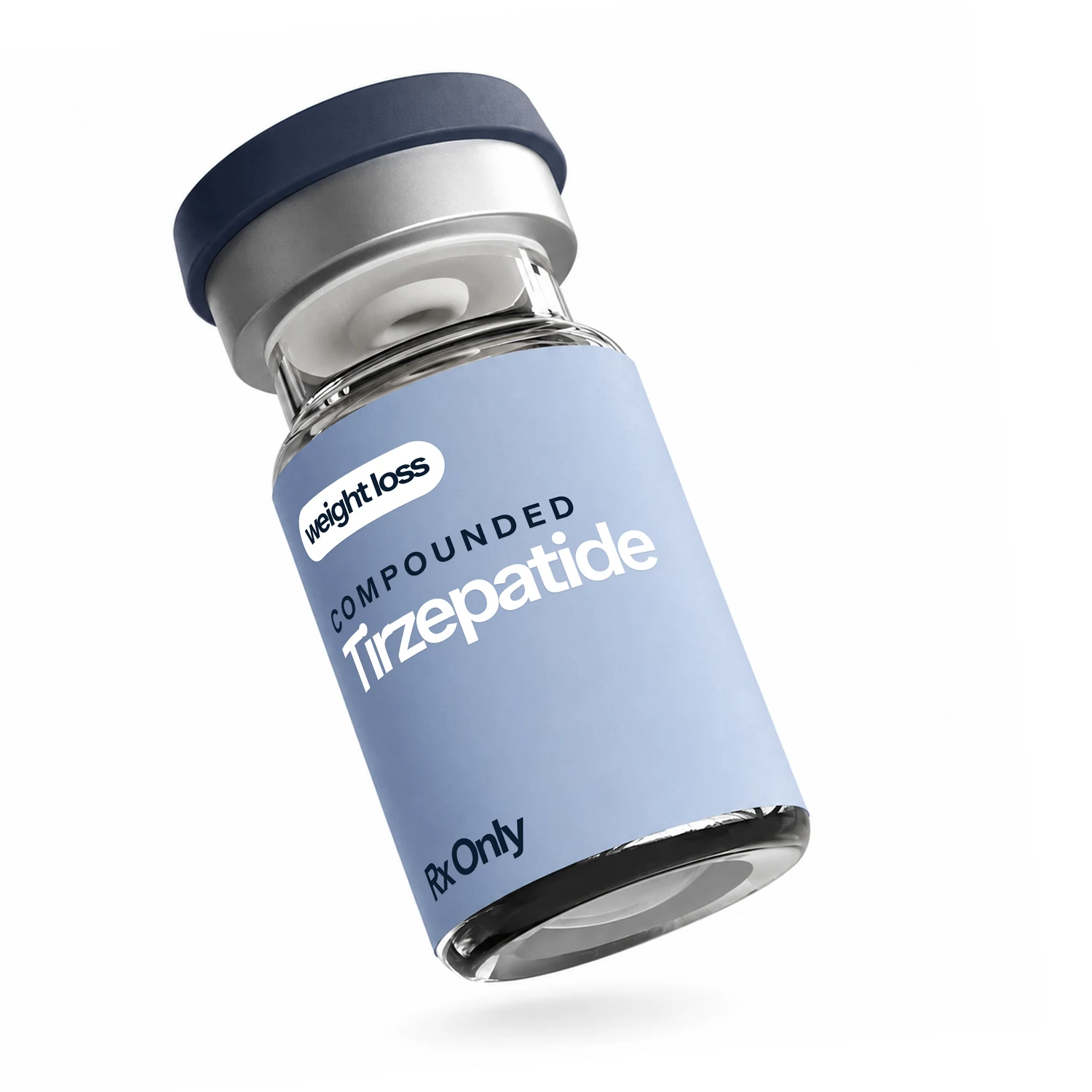
Compounded TirzepatideRx
Weekly GLP-1 + GIP injection.
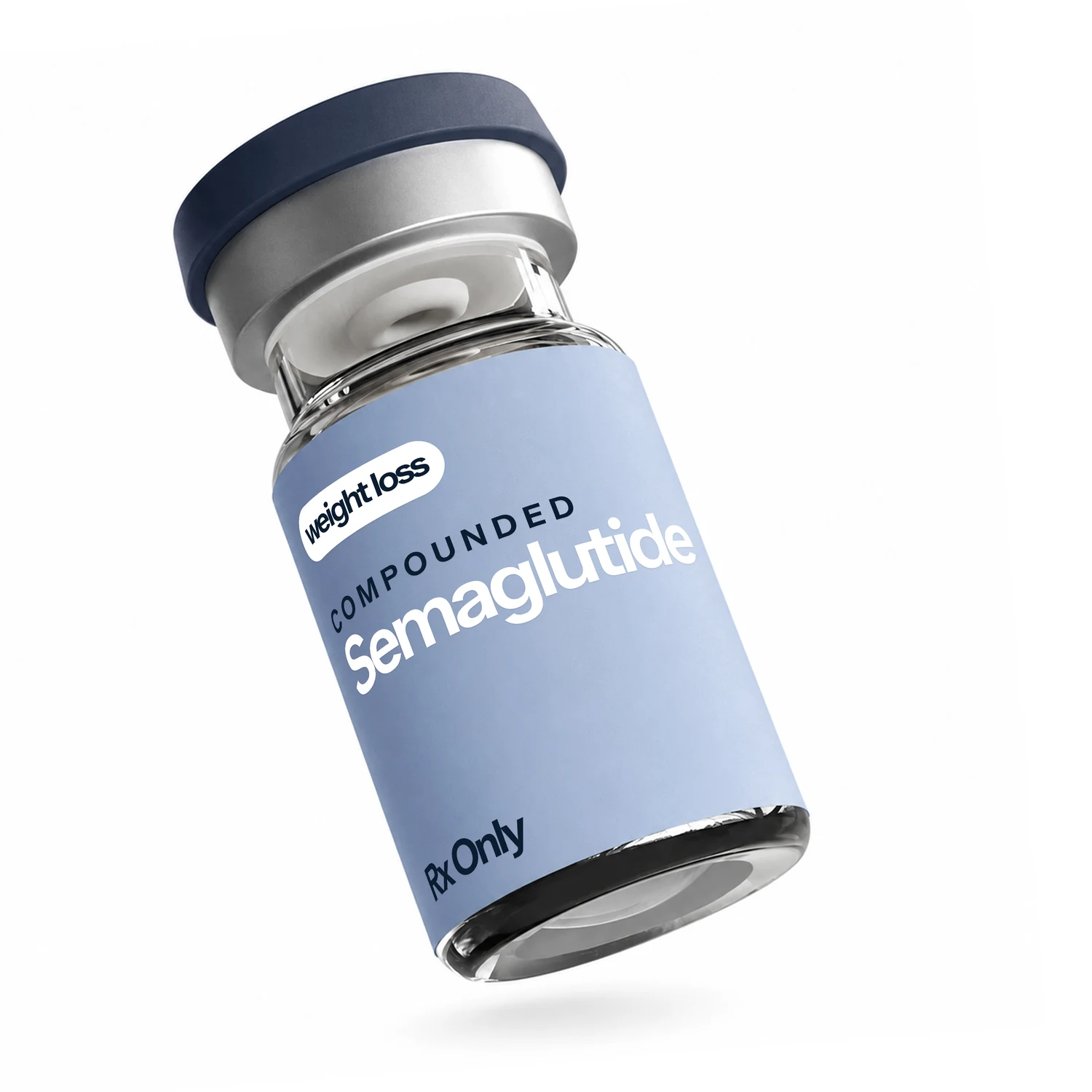
Compounded SemaglutideRx
Weekly GLP-1 injection.
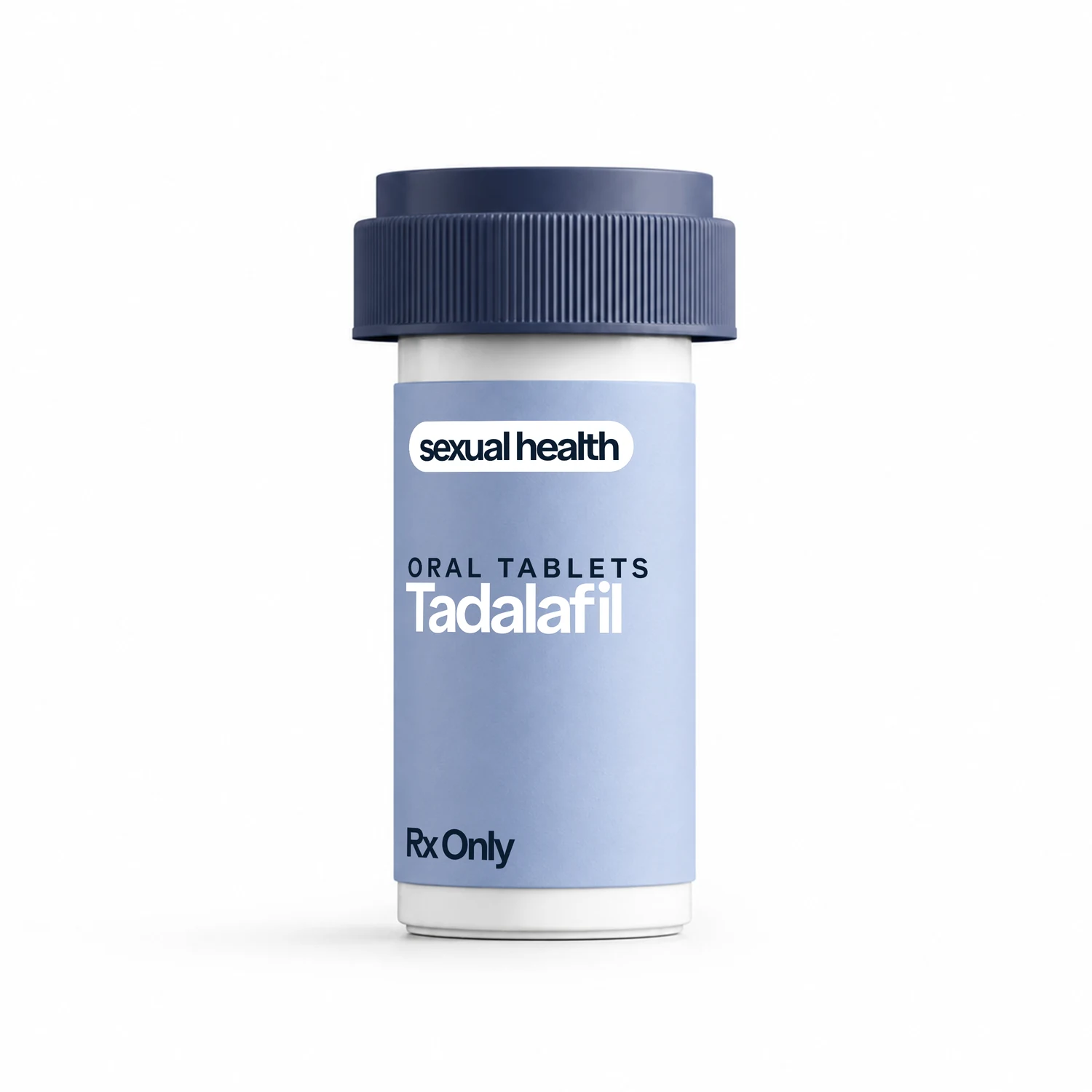
TadalafilRx
Generic Cialis®. Lasts up to 36 hours.
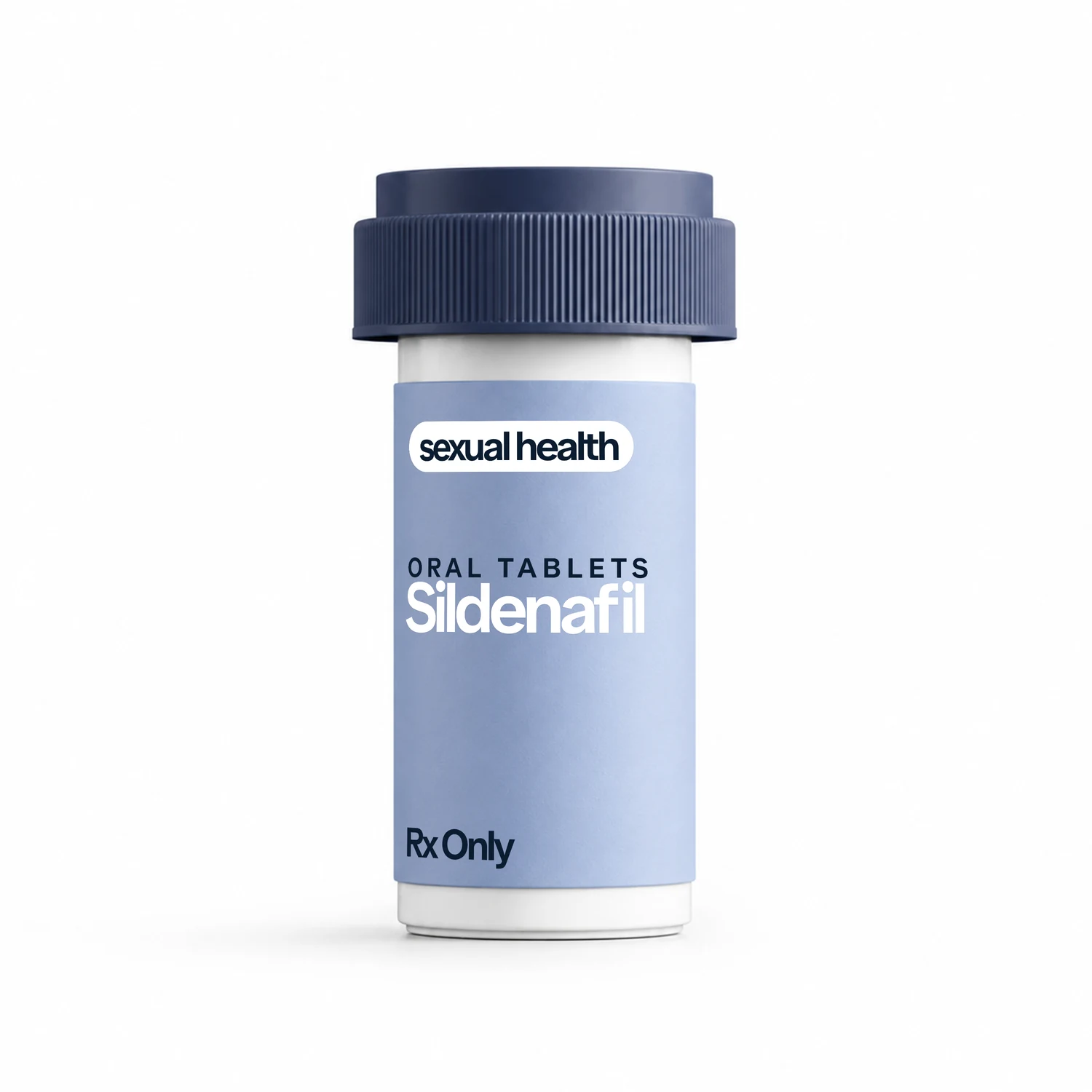
SildenafilRx
Generic Viagra®. Works in 30 minutes.
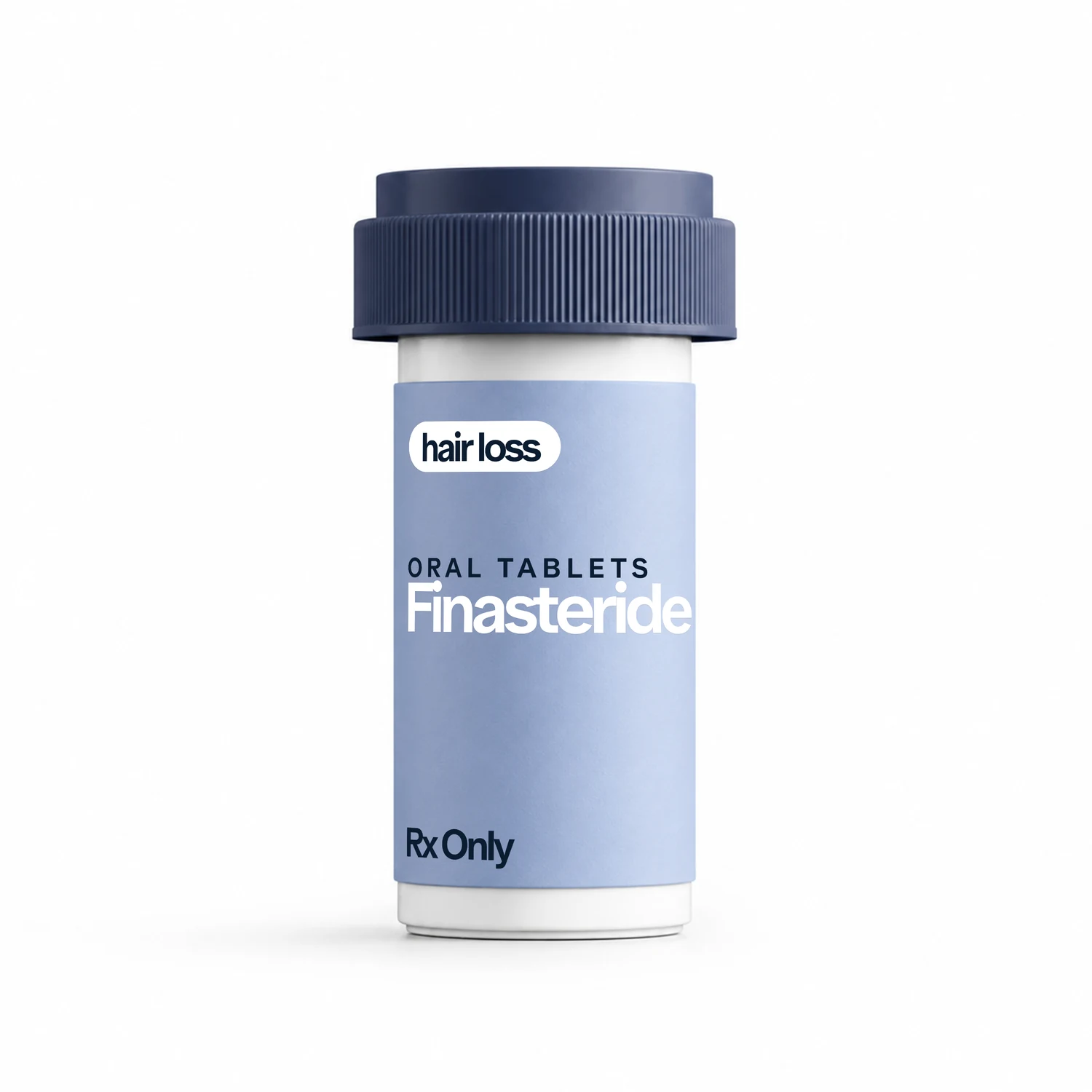
FinasterideRx
Generic Propecia®. Blocks DHT daily.
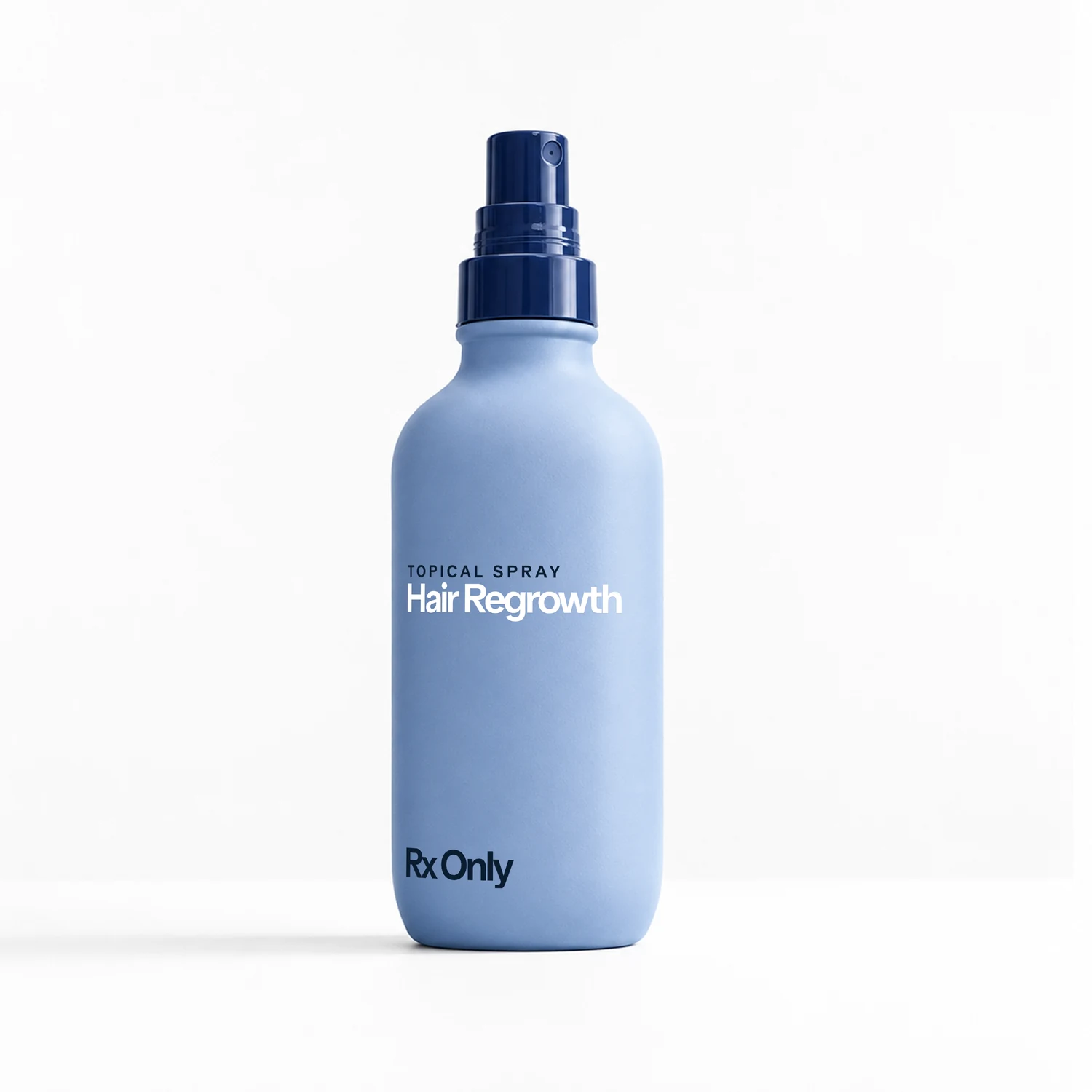
Hair Regrowth SprayRx
3-in-1 topical: finasteride + minoxidil + tretinoin.
Breakfast Protein Men Over 50: The Leucine Threshold

Written by Daniel C.
Published April 4, 2026

Key Takeaways
# Why Breakfast Protein Matters More After 50 — and What the Leucine Threshold Means for You
If you searched "breakfast protein men over 50," you are asking the right question at the right time. The answer is not about a fad diet or a supplement shelf. It is about a biological threshold that shifts in your fifth decade — one that changes how your body responds to the first meal of the day in ways that have real consequences for muscle, strength, and the capacity to stay useful for the people who depend on you.
What Changes in Your 50s
Sarcopenia — the gradual, age-related loss of skeletal muscle mass and strength — does not announce itself. It accumulates quietly. According to research published in the *Journal of Clinical Endocrinology and Metabolism*, men begin losing muscle mass at a rate of approximately 1 to 2 percent per year after age 50, with accelerating decline after 60. The compounding effect over a decade is substantial.
Two mechanisms drive this. First, the anabolic signaling that tells your muscles to rebuild after a meal becomes less sensitive with age. Second, the overnight fast your body experiences between dinner and breakfast is longer than most men realize — often 10 to 14 hours — and during that window, muscle protein is used for fuel if dietary protein is not replaced promptly at the morning meal.
The result is a state researchers call anabolic resistance: the condition in which aging muscle tissue requires more dietary protein stimulus than younger muscle to produce the same rebuilding response. A 30-year-old can trigger muscle protein synthesis (MPS) with a modest protein intake. A man at 55 or 65 must clear a higher bar to achieve the same effect.
The Leucine Threshold Explained
That bar has a specific biological mechanism. Leucine is an essential amino acid — one your body cannot manufacture on its own — and it functions as the primary molecular signal that activates the mTORC1 pathway, the main switch for muscle protein synthesis. Without sufficient leucine in a meal, the switch does not fully engage, regardless of how much total protein that meal contains.
Research published in [Nutrition & Metabolism](https://nutritionandmetabolism.biomedcentral.com/) and cited extensively in the peer-reviewed literature on aging muscle defines the leucine threshold as the minimum leucine dose required to maximally stimulate MPS. In younger men, that threshold sits at roughly 1.7 to 2.0 grams of leucine per meal. In men over 50, the threshold rises — estimates in the literature range from 2.5 to 3.0 grams or higher — because aging muscle tissue is less sensitive to the leucine signal.
This is not a marginal difference. It means that a breakfast built around a single egg (approximately 0.5 grams of leucine) or a bowl of oatmeal alone will not clear the threshold for a man in his 50s or 60s. The muscle-rebuilding signal simply does not fire at a meaningful level. The meal passes. The opportunity is lost. And because protein synthesis is not retroactive — you cannot make up a missed MPS window by eating more protein at dinner — what happens at breakfast carries its own discrete consequence.
What a Threshold-Clearing Breakfast Looks Like
Clearing the leucine threshold at breakfast is straightforward once you know the numbers. The goal is 30 to 40 grams of high-quality protein at the morning meal, sourced from foods with a high leucine density — meaning the leucine content per gram of total protein is substantial.

The highest-leucine dietary sources include eggs (approximately 8.5 percent leucine by amino acid weight), dairy proteins such as cottage cheese and Greek yogurt, whey protein, and lean meats. A three-egg breakfast with two additional egg whites, a serving of Greek yogurt, or a combination of eggs and cottage cheese will bring most men to or above the threshold. Results may vary based on individual body weight, muscle mass, and overall dietary context.
According to a 2023 review in the *American Journal of Men's Health*, distributing protein evenly across three to four meals — rather than concentrating it at dinner, as most Western dietary patterns do — produces measurably greater 24-hour muscle protein synthesis in men over 50. Breakfast is the meal most likely to be protein-deficient in this demographic. Correcting it is the single highest-leverage dietary adjustment a man in this age range can make for long-term muscle maintenance.
Practical targets: three whole eggs plus two egg whites provide roughly 24 grams of protein and approximately 2.5 grams of leucine. Add one cup of low-fat cottage cheese (28 grams of protein, approximately 2.8 grams of leucine) and you have cleared the threshold with margin. Sliced avocado, a small piece of whole-grain toast, and black coffee round out a breakfast that is built for what your body actually needs at this stage of life — not what a cereal box marketed to you in 1987 suggested.
Protein Timing and the Overnight Fast
The overnight fast amplifies the urgency of morning protein intake. During sleep, your body draws on gluconeogenesis — the conversion of amino acids from muscle tissue into glucose — to maintain blood sugar. By the time you wake after a full night's sleep, muscle protein breakdown has been running for hours.
A 2021 study in [Cell Metabolism](https://www.cell.com/cell-metabolism/home) examined the interaction between circadian biology and protein metabolism in aging adults and found that the anabolic response to protein intake is strongest in the morning hours, when muscle tissue sensitivity to leucine signaling is at a daily peak. Waiting until mid-morning or skipping breakfast entirely extends the catabolic window without capturing the enhanced anabolic window. The discipline of an early, protein-sufficient breakfast is not an aesthetic preference. It is a matter of working with your biology rather than against it.
A Note on Testicular Cancer Awareness
April is Testicular Cancer Awareness Month. The same stewardship that motivates you to protect your muscle mass applies here. Testicular cancer is one of the most treatable cancers when caught early — the five-year survival rate for localized disease exceeds 99 percent, according to the National Cancer Institute. A monthly self-examination takes under two minutes and requires no equipment.
The American Cancer Society recommends familiarity with the normal size, shape, and feel of each testicle so that any change — a hard lump, a change in size, a feeling of heaviness, or dull ache — can be brought to a licensed provider promptly. This is stewardship of the gift of the years you have been given. It belongs alongside the decisions you make about diet, sleep, and physical activity. If you have questions, raise them through the Good Guy Rx patient portal with your licensed provider.
Where Good Guy Rx Fits
Good Guy Rx is a technology platform. It connects men 45 to 70 with independent licensed physicians and independent state-licensed pharmacies. It does not manufacture medications and it is not a pharmacy.
Nutrition is foundational, but for many men over 50, dietary changes alone do not fully reverse the hormonal context in which anabolic resistance develops. Testosterone plays a direct role in muscle protein synthesis — low testosterone reduces MPS sensitivity independent of protein intake. If your provider identifies a clinical deficiency, treatment options available through the platform include Testosterone Replacement Therapy (TRT) in both conventional and compounded formulations. Compounded medications are prepared by state-licensed compounding pharmacies in accordance with FDA regulations and are not FDA-approved.

For men whose labs reflect broader metabolic concerns — including body composition changes that accompany declining androgen levels — the platform also connects patients to independent providers who can evaluate options such as compounded semaglutide and compounded tirzepatide, both prepared by state-licensed compounding pharmacies in accordance with FDA regulations. Results may vary. These are clinical decisions made between you and your licensed provider — not products to be selected from a shelf.
What to Do Next
Step 1. Audit your current breakfast. Add up the grams of protein you are actually consuming at your morning meal. Most men in this demographic will find the number is well under 20 grams — below the leucine threshold for their age.
Step 2. Restructure breakfast around high-leucine protein sources: whole eggs, egg whites, Greek yogurt, cottage cheese, or a combination. Target 30 to 40 grams of protein before you leave the house.
Step 3. If you have not had a metabolic or hormone panel in the past 12 months, request one through the Good Guy Rx patient portal. Anabolic resistance has a nutritional component and a hormonal one. A licensed provider can evaluate both.
Step 4. Add a monthly self-examination to your routine. Two minutes. No appointment needed. Bring any findings to your provider through the patient portal, not to support staff.
Sources
- Age-related muscle mass loss and sarcopenia — *Journal of Clinical Endocrinology and Metabolism* — https://pubmed.ncbi.nlm.nih.gov/
- Leucine threshold and muscle protein synthesis in aging — *Nutrition & Metabolism* — https://nutritionandmetabolism.biomedcentral.com/
- Protein distribution and MPS in men over 50 — *American Journal of Men's Health* — https://journals.sagepub.com/home/ajm
- Circadian biology and protein metabolism in aging adults — *Cell Metabolism* — https://www.cell.com/cell-metabolism/home
- Testicular cancer survival statistics — National Cancer Institute — https://www.cancer.gov/
- Testicular self-examination guidance — American Cancer Society — https://www.cancer.gov/
This article is for informational purposes only and does not constitute medical advice. Talk with a licensed provider through the patient portal before starting any treatment.
References
- [Leucine threshold and muscle protein synthesis in aging — *Nutrition & Metabolism* — https://nutritionandmetabolism.biomedcentral.com/](https://nutritionandmetabolism.biomedcentral.com/)
- [Protein distribution and MPS in men over 50 — *American Journal of Men's Health* — https://journals.sagepub.com/home/ajm](https://journals.sagepub.com/home/ajm)
- [Circadian biology and protein metabolism in aging adults — *Cell Metabolism* — https://www.cell.com/cell-metabolism/home](https://www.cell.com/cell-metabolism/home)
- [Testicular cancer survival statistics — National Cancer Institute — https://www.cancer.gov/](https://www.cancer.gov/)
- [Testicular self-examination guidance — American Cancer Society — https://www.cancer.gov/](https://www.cancer.gov/)
- This article is for informational purposes only and does not constitute medical advice. Talk with a licensed provider through the patient portal before starting any treatment.*
Share this article

Ready to start your journey?
Complete your free online visit and see if GLP-1 treatment is right for you.
Get Started