
Good Guy Rx
Take care of what God gave you.
Get started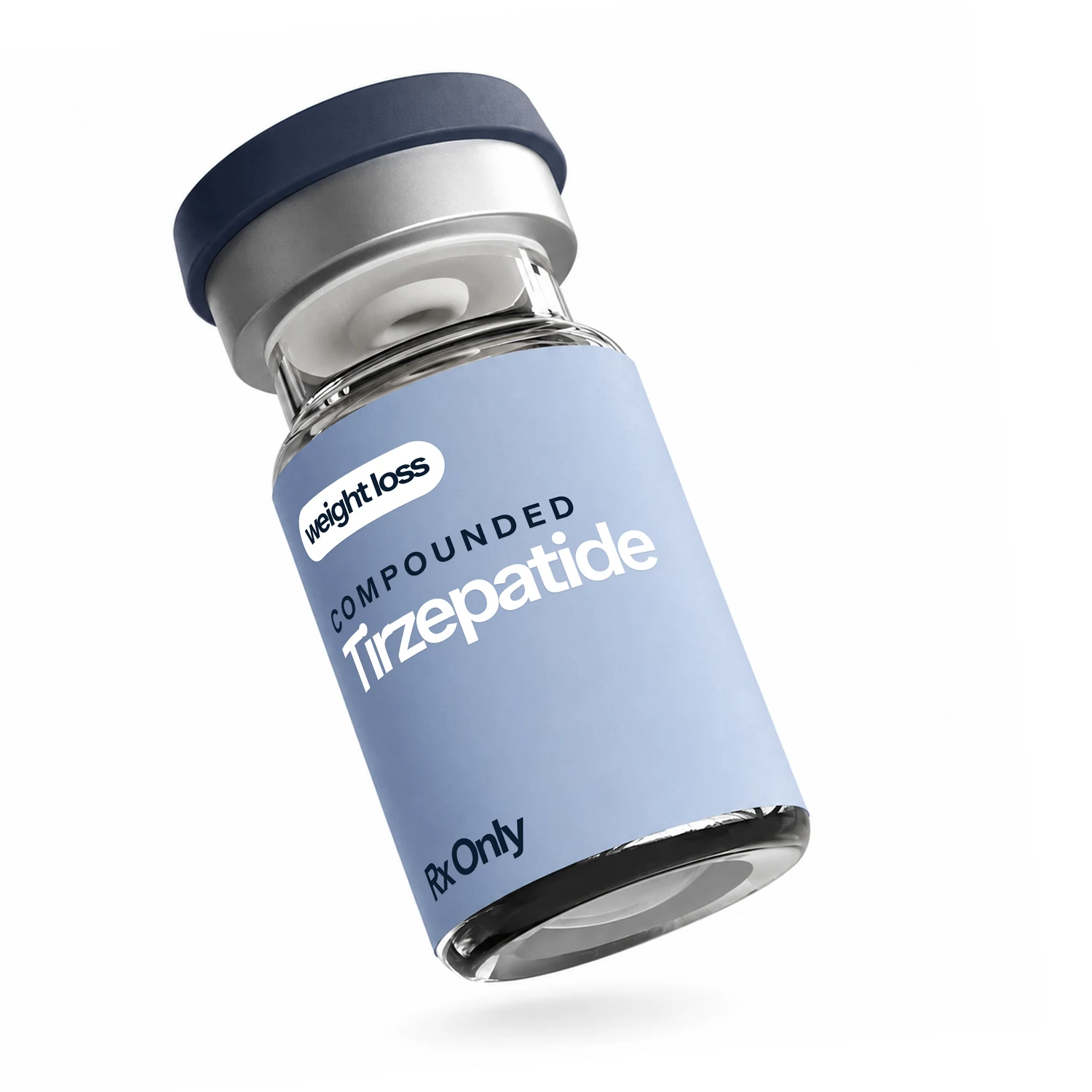
Compounded TirzepatideRx
Weekly GLP-1 + GIP injection.
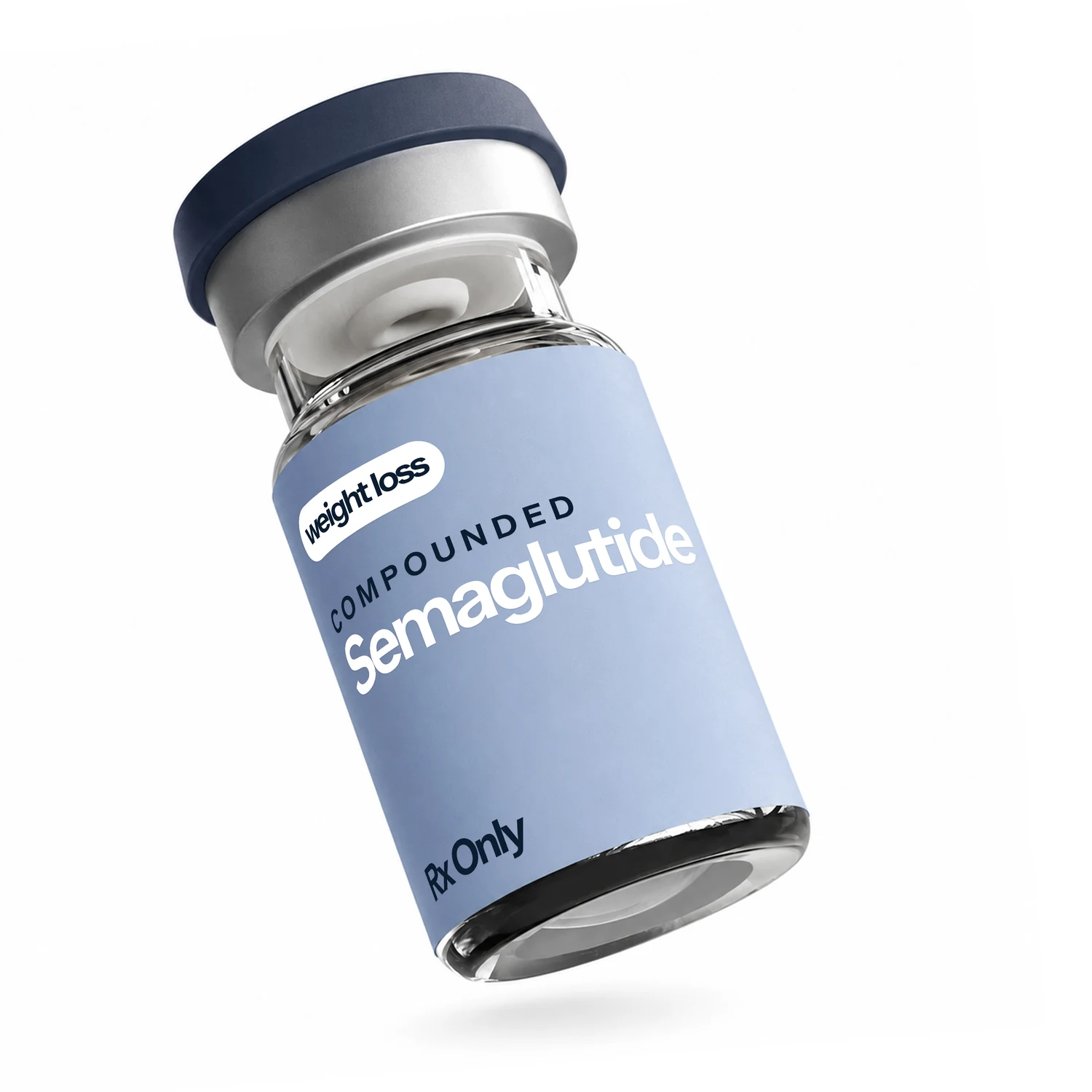
Compounded SemaglutideRx
Weekly GLP-1 injection.
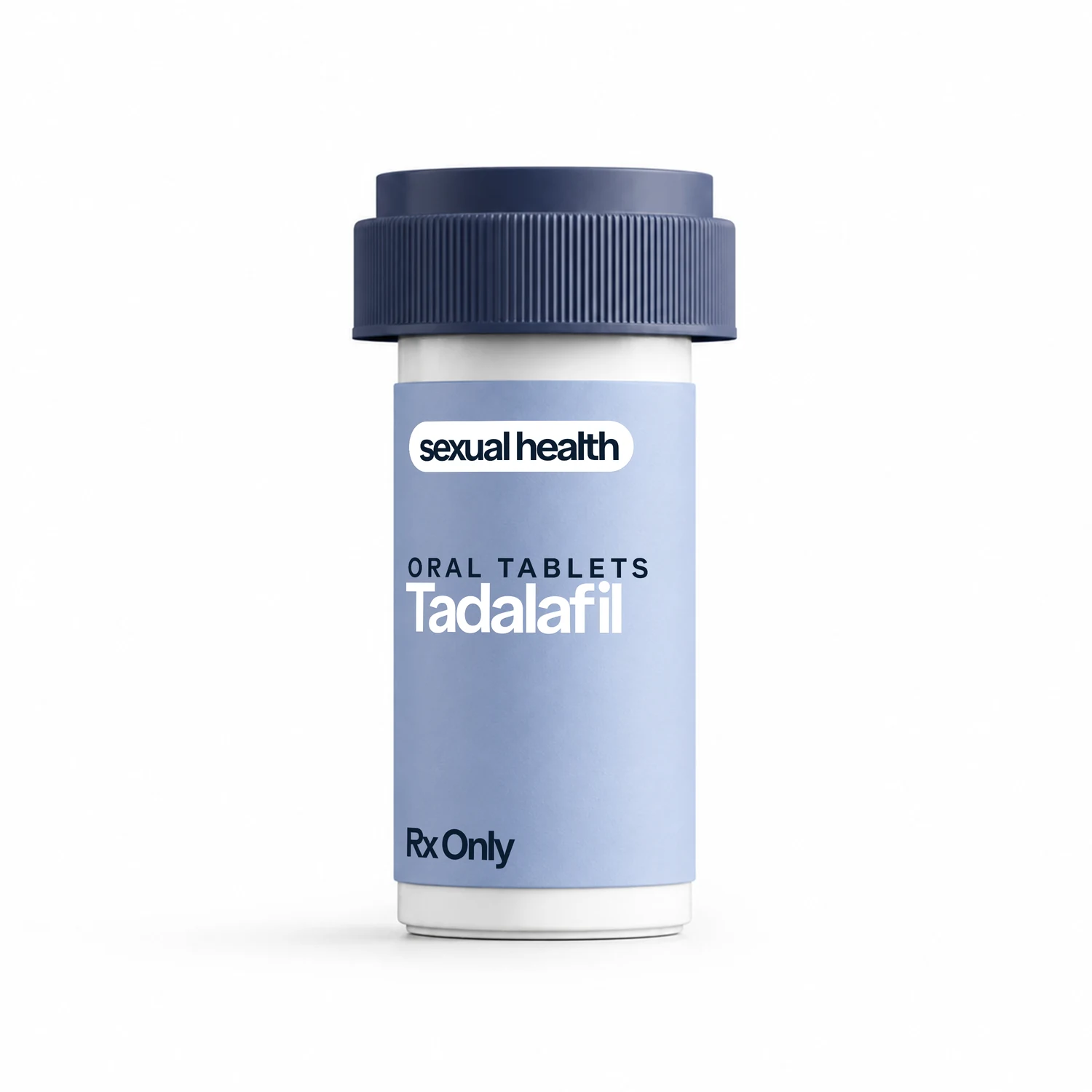
TadalafilRx
Generic Cialis®. Lasts up to 36 hours.
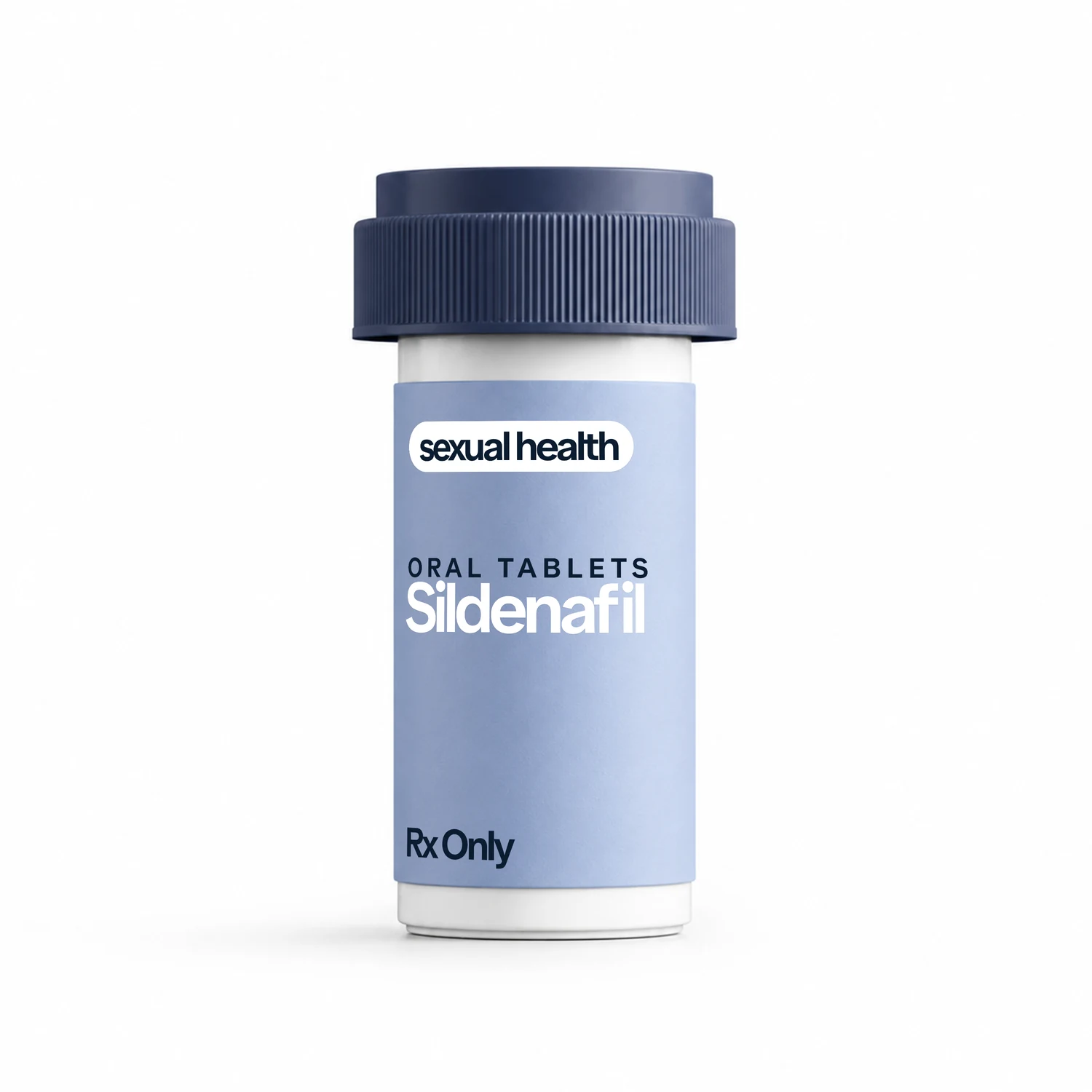
SildenafilRx
Generic Viagra®. Works in 30 minutes.
FinasterideRx
Generic Propecia®. Blocks DHT daily.

Hair Regrowth SprayRx
3-in-1 topical: finasteride + minoxidil + tretinoin.
Best Weight Loss Injections 2026: A Buyer's Guide

Written by David K.
Published March 26, 2026

Key Takeaways
# Best Weight Loss Injections 2026: A Buyer's Guide
If you searched "best weight loss injections 2026," you already know the landscape has changed. The old playbook — eat less, move more, white-knuckle it — did not fail because you lacked discipline. It failed because it did not account for the biology of hunger, insulin signaling, and the metabolic shifts that arrive in a man's fifth and sixth decade. This guide explains what the leading weekly weight loss injections actually do, how they differ, what the clinical evidence says, and where a platform like Good Guy Rx fits into the picture.
What a Weight Loss Shot Actually Does
The medications drawing the most clinical attention in 2026 belong to a class called *GLP-1 receptor agonists* — drugs that mimic glucagon-like peptide-1, a hormone your gut releases after eating. That hormone tells your brain you are full, slows gastric emptying, and regulates insulin secretion.
Semaglutide and tirzepatide are the two names you will encounter most. Both are administered as a subcutaneous injection, typically once per week. Both work through the GLP-1 pathway. The meaningful difference is that tirzepatide also activates the GIP (glucose-dependent insulinotropic polypeptide) receptor, which adds a second hormonal signal to the same appetite and metabolic system.
These are not stimulants. They do not accelerate your heart rate or put you in a fight-or-flight state. They work by restoring a satiety signal that, for many men over 45, has become blunted by years of high-calorie food environments, poor sleep, and rising insulin resistance.
GLP-1 Injection Comparison: Semaglutide vs. Tirzepatide
Semaglutide
Semaglutide became the first widely available GLP-1 medication approved for chronic weight management in adults. The STEP trials — a series of large randomized controlled studies — established its efficacy benchmark. The STEP 1 trial, published in the New England Journal of Medicine in 2021, found that adults receiving 2.4 mg weekly semaglutide alongside lifestyle intervention achieved significantly greater weight reduction than those on placebo. Results may vary.
Semaglutide is available in two forms: a brand-name injectable (Wegovy for weight management, Ozempic for type 2 diabetes) and as a compounded semaglutide prepared by state-licensed compounding pharmacies in accordance with FDA regulations. Compounded versions are not FDA-approved. They are prepared under state pharmacy board oversight and federal compounding regulations.
Tirzepatide
Tirzepatide is the newer entrant, and its SURMOUNT trials have drawn considerable attention. The SURMOUNT-1 trial, published in the New England Journal of Medicine in 2022, showed that adults on the highest dose of tirzepatide (15 mg weekly) achieved substantial mean body weight reduction compared to placebo. Results may vary. Because tirzepatide activates both the GLP-1 and GIP receptors, researchers hypothesized — and the SURMOUNT data appear to support — that the dual mechanism produces a more pronounced metabolic effect in many patients.
Brand-name tirzepatide is marketed as Mounjaro (for type 2 diabetes) and Zepbound (for weight management). Compounded tirzepatide is also available through state-licensed compounding pharmacies in accordance with FDA regulations, and is not FDA-approved.
Which One Is Right for You
That is a clinical question, not a marketing question. Factors a licensed provider will weigh include your current HbA1c, cardiovascular history, prior GI sensitivity, other medications, and realistic goals. No buyer's guide — including this one — replaces that conversation.

What the Evidence Says About Men Specifically
Most GLP-1 trials enrolled mixed-sex populations, but subgroup analyses and real-world data have illuminated patterns relevant to men over 45. According to research published in Diabetes Care, men tend to carry more visceral adipose tissue — the metabolically active fat around abdominal organs — which is directly associated with elevated cardiovascular risk, insulin resistance, and declining testosterone levels. Reducing visceral fat load is therefore not a cosmetic matter; it is a maintenance matter.
The American Urological Association has noted in its clinical guidance that hypogonadism — low testosterone — is frequently comorbid with obesity in middle-aged men, and that meaningful weight reduction can support hormonal restoration. Results may vary, and no weight loss medication is a substitute for testosterone evaluation if symptoms are present.
National Nutrition Month: The Foundation That Makes the Shot Work
March is National Nutrition Month, and the timing is relevant here. A weekly weight loss injection is not a license to ignore what is on your plate. The clinical trials cited above paired the medication with lifestyle intervention for a reason.
For men over 40, three nutritional fundamentals carry the most evidence:
Protein adequacy. The NIH and multiple peer-reviewed bodies support higher dietary protein intake in older adults to preserve lean muscle mass during weight loss. A practical target frequently cited in the literature is 1.2 to 1.6 grams of protein per kilogram of body weight per day. Adequate protein also works synergistically with GLP-1-driven satiety — you are already eating less, so the quality of what you eat matters more.
Sleep architecture. A 2022 analysis published in Obesity found that short sleep duration is independently associated with elevated ghrelin (the hunger hormone) and reduced leptin (the satiety hormone). If you are taking a GLP-1 medication and sleeping five hours a night, you are working against the pharmacology. Seven to nine hours is the standard recommendation.
The Mediterranean pivot. Large observational studies, including those cited by the CDC, associate Mediterranean-pattern eating — fish, olive oil, legumes, whole grains, limited processed meat — with reduced cardiovascular risk, improved glycemic control, and lower inflammatory markers. This pattern maps well onto the protein and fiber needs of a man on a GLP-1 medication, because it is filling, palatable, and sustainable.
None of this requires a food scale or a subscription box. It requires a decision about what goes on the plate, made consistently, over time. That is stewardship — of the years, of the health, of the capacity to remain fully present and functional for the people who depend on you.
Where Good Guy Rx Fits
Good Guy Rx is a technology platform. It connects men to independent licensed physicians and to independent state-licensed pharmacies — it is not a pharmacy, and it does not manufacture medication.
If a licensed provider determines that a GLP-1 injection is clinically appropriate for you, two options may be available through the platform:

- **Semaglutide** — compounded semaglutide prepared by state-licensed compounding pharmacies in accordance with FDA regulations. Not FDA-approved.
- **Tirzepatide** — compounded tirzepatide prepared by state-licensed compounding pharmacies in accordance with FDA regulations. Not FDA-approved.
The process begins with an online visit. A licensed provider reviews your health history, asks relevant clinical questions, and — where appropriate — writes a prescription that is fulfilled by an independent state-licensed pharmacy. There are no waiting rooms. There is no conversation you have to have with your primary care physician before you are ready. There is a structured clinical process, run by licensed professionals, from a platform built for men who are serious about their health without being theatrical about it.
What to Do Next
- Take the weight loss assessment. Start at the weight loss assessment to establish where you are before a provider reviews your case.
- Gather your basic numbers. Know your current weight, height, waist circumference if possible, and any recent bloodwork. A provider will ask.
- Be honest about medications and history. GLP-1 medications have contraindications — personal or family history of certain thyroid conditions, for example. Your provider needs the full picture.
- Set a nutrition baseline this month. Use National Nutrition Month as a practical starting point. Identify your current protein intake, your sleep average, and whether your eating pattern resembles a Mediterranean framework or a fast-food one. You do not need to be perfect before you start — you need to be honest.
Sources
- Wilding JPH et al., "Once-Weekly Semaglutide in Adults with Overweight or Obesity" — *New England Journal of Medicine*, 2021
- Jastreboff AM et al., "Tirzepatide Once Weekly for the Treatment of Obesity" — *New England Journal of Medicine*, 2022
- American Urological Association — Clinical Guidance on Male Hypogonadism
- Spiegel K et al., "Sleep and Metabolic Function" — *Obesity*, 2022 (peer-reviewed research)
- National Institutes of Health — Dietary Protein and Aging
- Centers for Disease Control and Prevention — Mediterranean Diet and Cardiovascular Risk
- Diabetes Care — Visceral Adiposity and Male Metabolic Risk
This article is for informational purposes only and does not constitute medical advice. Talk with a licensed provider through the patient portal before starting any treatment.
References
- STEP trial
- SURMOUNT trial
- [Jastreboff AM et al., "Tirzepatide Once Weekly for the Treatment of Obesity" — *New England Journal of Medicine*, 2022](https://www.nejm.org/doi/full/10.1056/NEJMoa2206038)
- [American Urological Association — Clinical Guidance on Male Hypogonadism](https://www.auanet.org/guidelines-and-quality/guidelines/male-hypogonadism-guideline)
- [Spiegel K et al., "Sleep and Metabolic Function" — *Obesity*, 2022 (peer-reviewed research)](https://onlinelibrary.wiley.com/journal/1930739x)
- [National Institutes of Health — Dietary Protein and Aging](https://www.nih.gov/news-events/nih-research-matters/how-much-protein-do-you-need)
- [Centers for Disease Control and Prevention — Mediterranean Diet and Cardiovascular Risk](https://www.cdc.gov/heartdisease/prevention.htm)
- [Diabetes Care — Visceral Adiposity and Male Metabolic Risk](https://diabetesjournals.org/care)
Share this article

Ready to start your journey?
Complete your free online visit and see if GLP-1 treatment is right for you.
Get Started